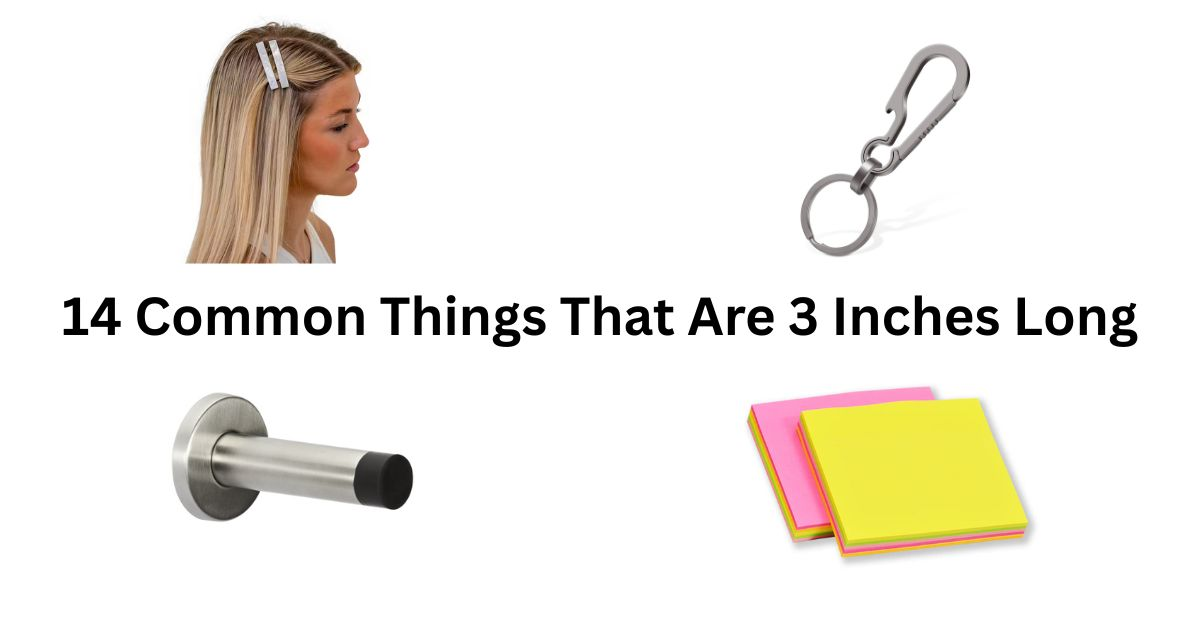
Knowing how big is 3 inches really matters in everyday life. Three inches equals 7.62 centimeters. That’s roughly the width of a sticky note. Most people don’t carry rulers around. So understanding how big is 3 inches helps you shop smarter and measure faster. It’s a surprisingly useful size to know.
How big is 3 inches becomes clear when you match it to familiar objects. A standard hair tie, a safety pin, a carabiner clip all sit right around that mark. These aren’t random picks. They’re things you touch daily without realizing their size. Once you visualize how big is 3 inches through real objects, guessing measurements becomes effortless. No ruler needed. Just everyday items doing the heavy lifting.
Quick Answer: The Numbers Behind 3 Inches
Learn more:How Long Is 9 Inches? 14 Common Comparisons That Are 9 Inches Long
Three inches equals exactly 7.62 centimeters. In millimeters, that’s 76.2 mm. As a fraction of a foot, it’s precisely one-quarter. These conversions sound simple but matter constantly. Knowing them saves time whenever you’re shopping, building, or measuring something quickly.
Here’s a clean conversion table worth bookmarking mentally. Switching between metric and imperial trips people up constantly. These numbers make it effortless. Once you memorize even one figure, estimating three inches becomes second nature in any situation you encounter daily.
| Unit | Value |
| Inches | 3 inches |
| Centimeters | 7.62 cm |
| Millimeters | 76.2 mm |
| Feet | 0.25 ft |
| Yards | 0.083 yd |
| Meters | 0.0762 m |
A handy mental trick works beautifully here. Your thumb from tip to first knuckle measures roughly one inch for most adults. Stack three of those mentally and you’ve hit three inches. Not perfectly precise but close enough for quick everyday estimates without any tools.
14 Objects That Show You What 3 Inches Looks Like
Three inches shows up everywhere once you start noticing it. Hair accessories, workshop tools, plumbing supplies, and office staples all cluster around this size. You probably own at least five of these items already. The goal is learning to spot them naturally without thinking hard.
Here’s a full overview of all fourteen objects in this guide. Each one sits at or very close to three inches. They span different categories so at least one will always be within arm’s reach whenever you need a quick and reliable reference point fast.
| Object | Category | Measurement |
| Hair Tie/Scrunchie | Fashion/Accessories | Diameter (relaxed) |
| Small Hair Barrette | Fashion/Accessories | Length |
| Small Carabiner Clip | Hardware/Outdoor Gear | Length |
| Large Safety Pin | Sewing/Craft Supplies | Length |
| Wood Dowel Segment | DIY/Woodworking | Cut length |
| Decorative Hair Comb | Fashion/Accessories | Width |
| Furniture Leveling Foot | Home/Furniture | Diameter |
| Phillips Head Bit Extension | Tools/Hardware | Working length |
| Door Stopper | Home/Hardware | Body length |
| Shelf L-Bracket | Home/Hardware | Short arm length |
| Sealant Tube Cutter | Tools/Plumbing | Total length |
| Plumbing Nipple | Plumbing/Hardware | Pipe section length |
| Caster Wheel | Furniture/Industrial | Wheel diameter |
| Sticky Notes | Office Supplies | Width |
Every item on this list earned its spot for a clear reason. They’re all easy to find and simple to visualize instantly. Whether you’re renovating a room or browsing an online shop, at least one of these will always be nearby and ready to use as your measuring reference.
1. Hair Tie/Scrunchie (Relaxed Diameter)
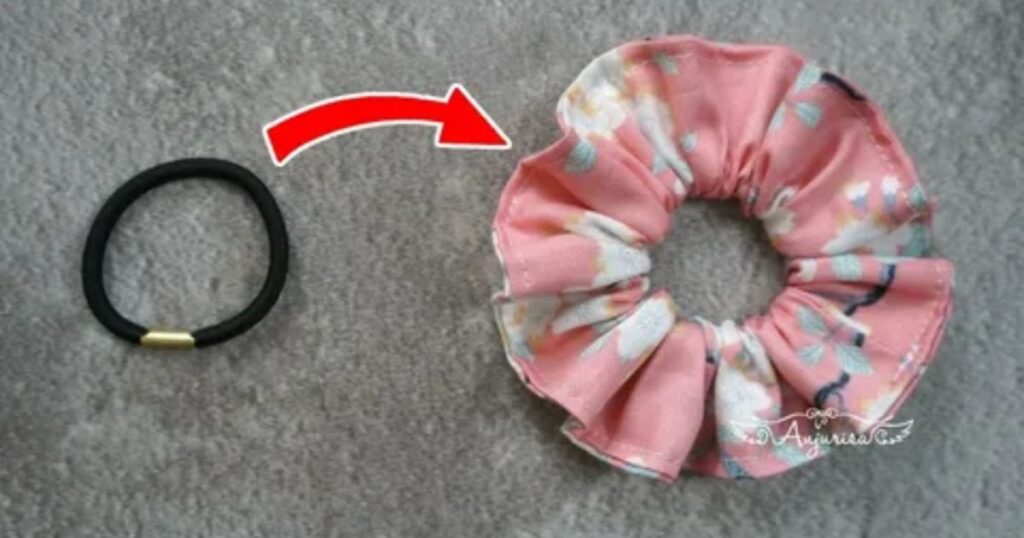
Lay a scrunchie flat on any surface and let it fully relax. That circular shape measures right around three inches across. Most people never think about this size but use it daily. It’s genuinely one of the most accessible references you’ll ever find anywhere.
This diameter hits a real sweet spot. It’s roomy enough for thick hair without overtaxing the elastic and snug enough to stay on your wrist between uses. Scrunchies have surged back in popularity recently and the classic three-inch size remains the standard because it simply works well.
Shopping online for hair ties gets confusing fast. Seeing “3-inch diameter” listed tells you exactly what you’re getting. Too small and it’ll snap midway through styling. Too large and it slips straight out. Three inches is the reliable middle ground most buyers actually want.
2. Small Hair Barrette

Walk into any drugstore and head straight to the hair accessories aisle. Those everyday snap-clip barrettes sitting on the rack measure right around three inches long. Not the tiny kids’ clips and not the oversized decorative versions just the classic everyday workhorse that everyone recognizes immediately.
These barrettes work precisely because of their length. Too short and they can’t grip enough hair to hold securely through the day. Too long and they feel clunky and uncomfortable pressing against your scalp. Three inches hits the balance between functional and flattering for most hair types.
Metal versions suit professional settings while plastic patterned ones work great casually. Sparkly rhinestone styles dress up any evening look effortlessly. Despite all the design variety, the three-inch length stays consistent across most standard barrettes because that size simply gets the job done every time.
3. Small Carabiner Clip
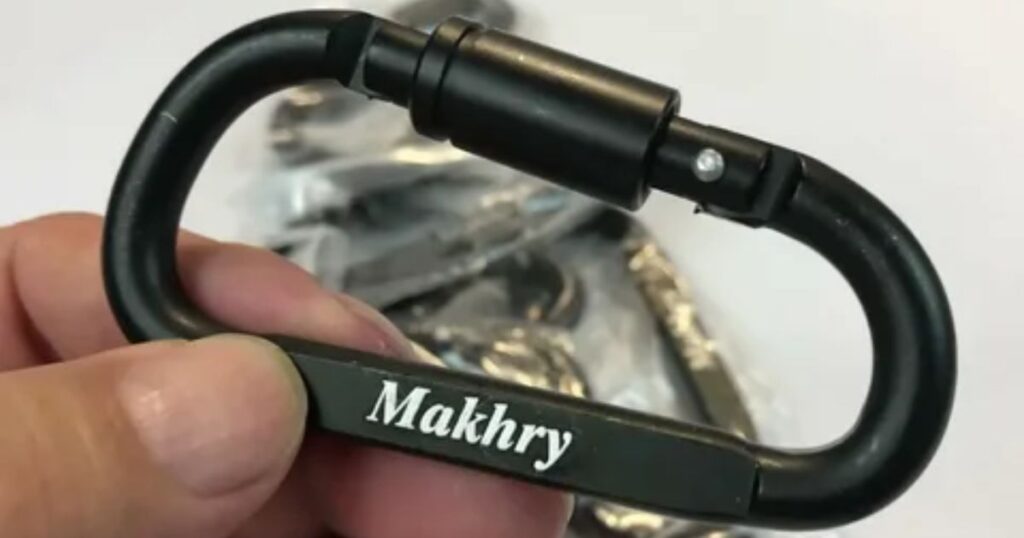
Check your keychain right now. That small metal clip holding your keys together likely measures around three inches from top to bottom. These aren’t serious climbing carabiners rated for body weight they’re everyday utility clips designed purely for organization and convenience in normal daily life.
People clip these onto belt loops, backpack straps, and gym bags constantly. The three-inch size threads through most loops and zippers without catching or bulking up your gear. It’s small enough to forget it’s there but large enough to hold several keys or a water bottle handle securely throughout the day.
Lost keys inside a bag drive everyone completely crazy. A small carabiner clipped to an exterior pocket solves that problem permanently. Once you start using one, tossing keys loose into a bag feels genuinely frustrating by comparison. Small investment but a huge daily payoff for almost everyone.
4. Large Safety Pin
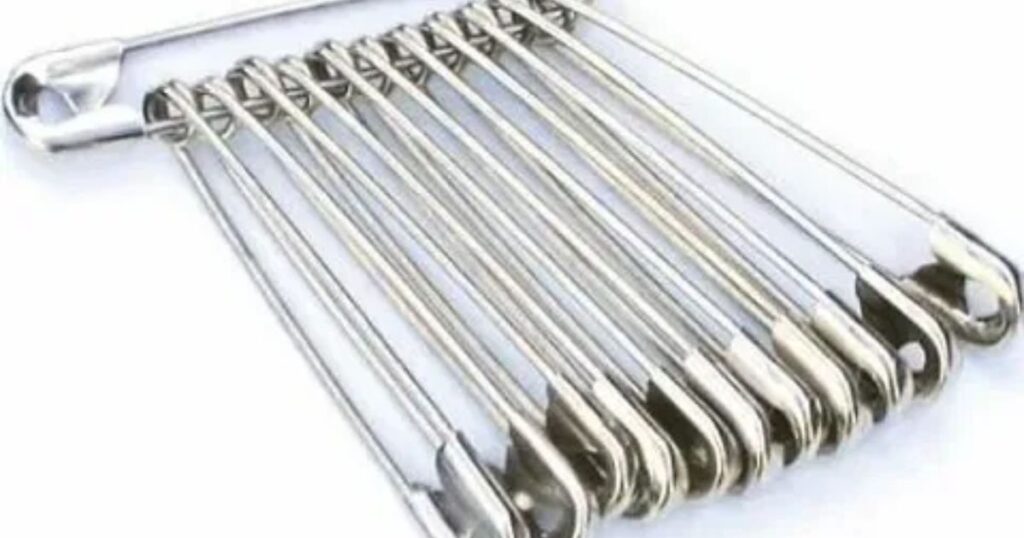
Forget the tiny diaper pins entirely. Large safety pins the heavy-duty ones built for thick canvas and denim often measure right at three inches long. Punk fashion made these iconic accessories but practical crafters and tailors rely on them just as heavily for serious everyday fabric work.
The extra length gives you room to pierce multiple fabric layers cleanly and still close the clasp with real confidence. Quilters love them for temporarily securing thick batting layers before sewing. Tailors use them for quick hem fixes during fittings when permanent stitching isn’t quite ready yet.
Keep one in your car’s glove compartment right now. Broken jacket zipper, loose trouser hem before a big meeting, fraying bag strap a three-inch safety pin handles all of it in seconds flat. It’s the tool you ignore completely until you desperately need it most.
5. Wood Dowel Segment
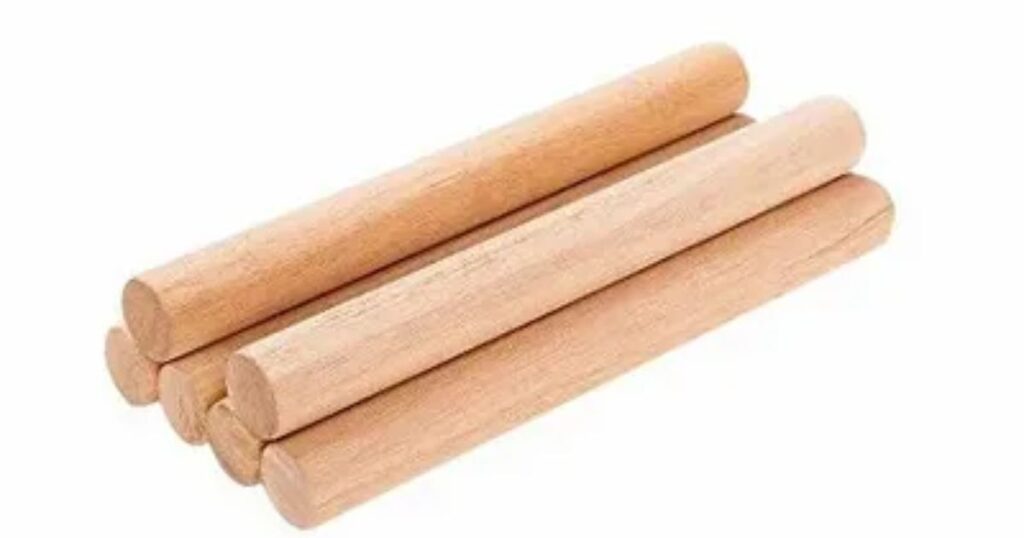
Craft stores sell pre-cut wooden dowels in several standard lengths and three inches ranks among the most popular options available. These smooth cylindrical pieces save you the hassle of cutting longer dowels yourself at home. Kids grab them for school projects while adults use them for small home repairs and creative builds.
The round shape makes dowels incredibly versatile across many uses. Try them as axles on toy cars, supports for lightweight DIY shelving, or curtain rod extensions when your existing rod falls just short of the bracket. They sand smoothly, accept paint and stain beautifully, and cost almost nothing per piece.
A small pack of three-inch dowels runs just a few dollars at most craft retailers. Having them around means solving small fix-it problems quickly instead of making unnecessary hardware store trips. Paint them to match your décor or leave them natural for a clean minimalist aesthetic throughout your home.
6. Decorative Hair Comb (Width)
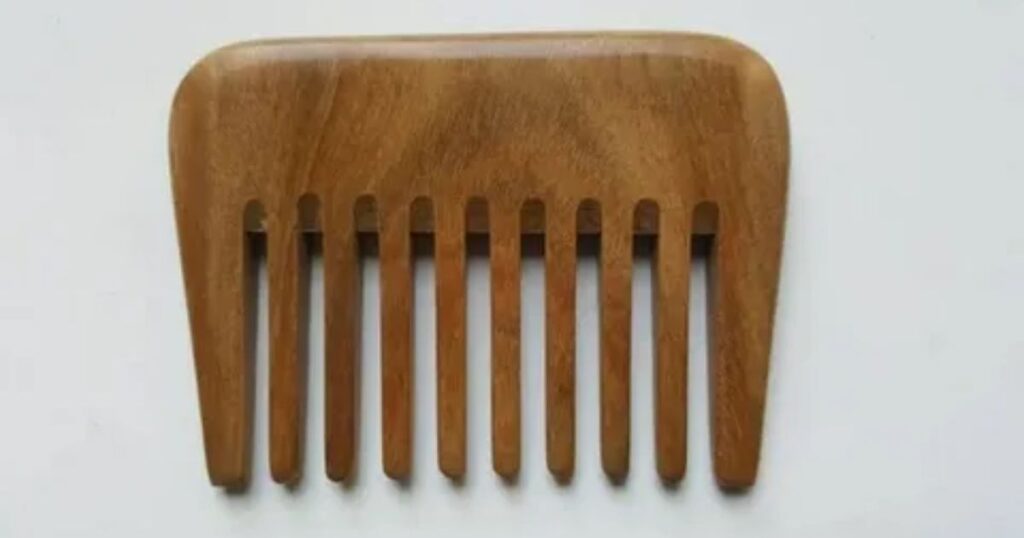
Decorative hair combs the kind you slide into elegant updos or use to sweep hair gracefully back often measure right around three inches across. This covers rhinestone-studded versions, pearl-accented bridal styles, and sleek minimalist designs for everyday polished looks that require almost zero styling effort at all.
Width matters enormously with these combs. Too narrow and the comb disappears into thick hair without making any visible style statement. Too wide and it overwhelms delicate hairstyles or digs uncomfortably into your scalp during long wear. Three inches sits in the ideal visible-yet-comfortable range for most hairstyles.
Brides reach for these constantly when building wedding updos. But you don’t need a special occasion to wear one. Sliding a three-inch decorative comb into a casual bun instantly elevates a simple everyday hairstyle into something that looks genuinely intentional and polished with almost zero effort.
7. Furniture Leveling Foot
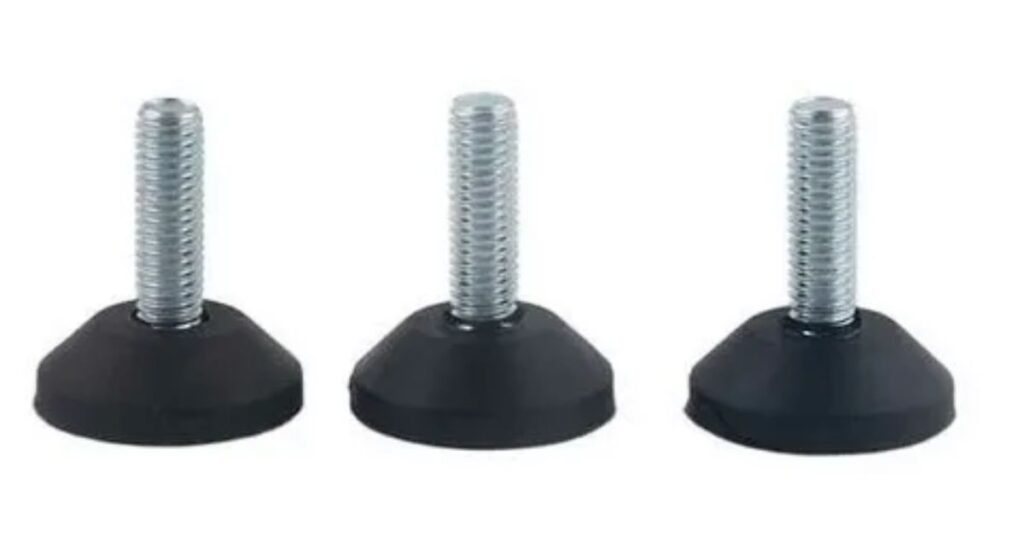
Those circular pads screwed onto the bottom legs of chairs, tables, and heavy appliances? The larger standard ones measure right around three inches in diameter. They protect floors from scratches and distribute weight so heavy pieces don’t dig into carpet fibers or dent hardwood floors over time with extended use.
A bigger diameter means better weight distribution across a wider surface area. Your bookshelf won’t slowly sink into thick carpet. Your washing machine won’t rock violently during the spin cycle and creep steadily across the laundry room floor. These small components do surprisingly important structural work completely out of sight below your furniture.
When one furniture leg wobbles annoyingly, swapping out the glide often fixes it instantly. Just measure your existing foot diameter before heading to the hardware store. Buying the wrong size means another trip. Three inches is a common standard so finding replacements stays straightforward and affordable at most stores.
8. Phillips Head Bit Extension
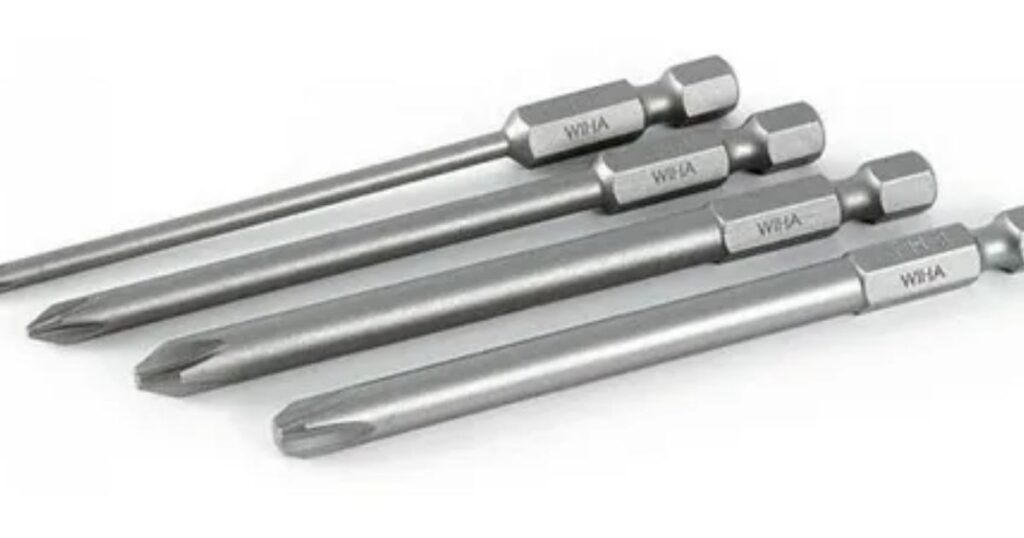
That compact metal piece sitting between your drill and the screwdriver bit? Short versions measure right around three inches long. Contractors and weekend DIYers keep these tucked in their toolboxes specifically for tight spots inside cabinets, behind appliances, and deep inside furniture cavities where a bare drill simply won’t reach comfortably.
The length provides just enough extra reach without making your drill setup so long it becomes wobbly and imprecise under torque. Control matters enormously when driving screws at awkward angles. Too short and you can’t reach the fastener at all. Too long and the whole setup flexes and strips screws frustratingly.
Assembling flat-pack furniture without one of these in tight corner sections is genuinely painful work. Installing cabinet hardware inside deep drawers becomes effortless with a three-inch extension in place. It costs almost nothing and transforms maddening jobs into quick satisfying ones. Every toolbox needs at least one ready to go.
9. Wall-Mount Door Stopper
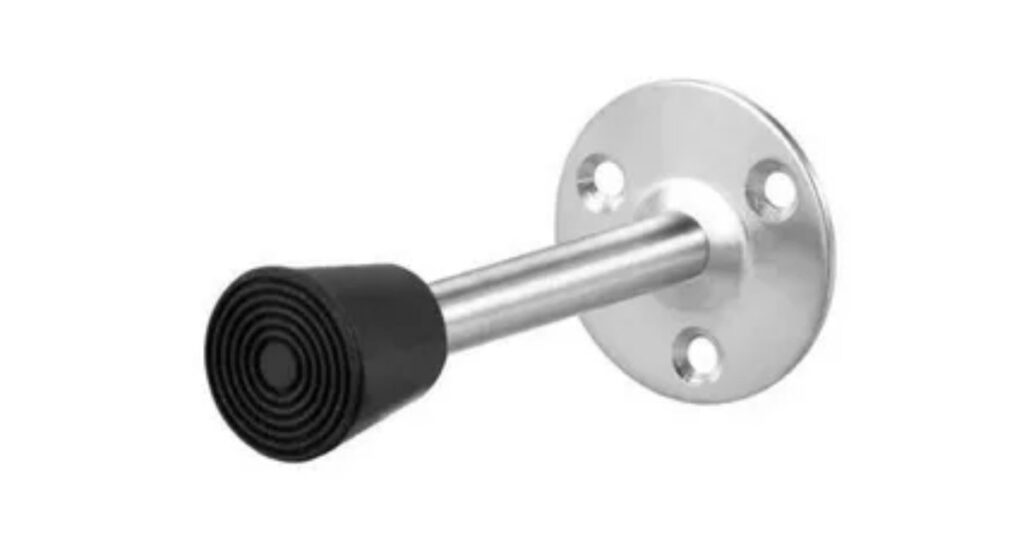
Look at your baseboard where interior doors swing open fully. That spring-loaded cylinder screwed into the wall or floor measures roughly three inches along its main body. Its entire job is stopping door handles from punching holes through your drywall when doors fly open unexpectedly during windy days or energetic entries by kids.
The rubber tip on the end absorbs impact cleanly without marking the door or damaging the wall surface. If the stopper sits too short, the door swings right past it and crashes into the wall anyway. Too long and it sticks out far enough to become a genuine toe-stubbing hazard for everyone daily.
Installing one takes under five minutes with a basic screwdriver. Find the right baseboard height so the stopper catches the door handle rather than the door panel itself. Three inches of body length handles this geometry perfectly in most standard residential door setups without requiring any special adjustments or custom fitting.
10. Shelf L-Bracket (Short Arm)
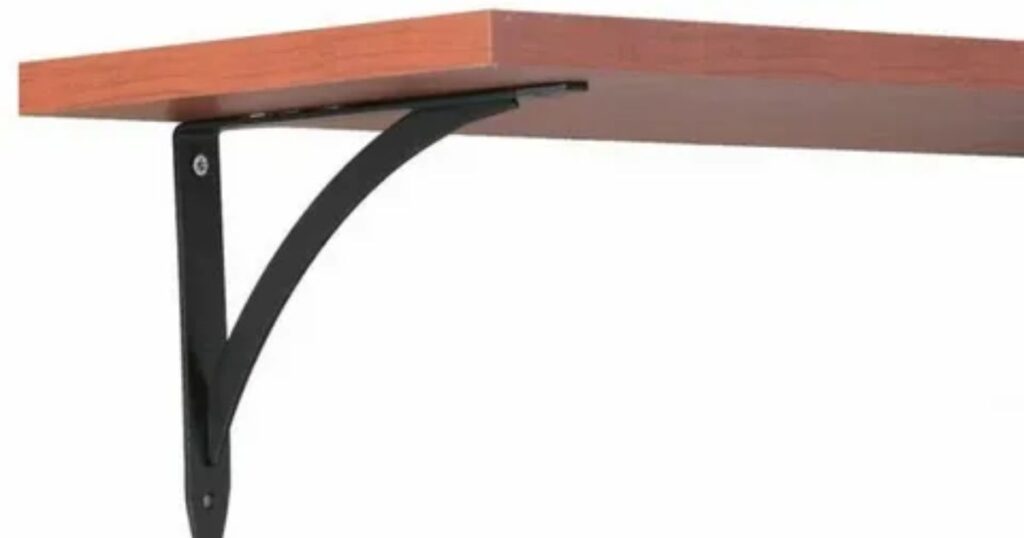
When you’re hanging floating shelves, those metal L-shaped brackets holding everything firmly up come in standard sizes. Many small brackets feature a short arm measuring right at three inches. You’ll typically see them labeled as “3×2 inch” or “3×4 inch” brackets depending on the paired long arm dimension used.
This short arm length works perfectly for lightweight shelving holding books, small plants, picture frames, and decorative objects. It provides solid support without looking visually clunky underneath a clean shelf edge. Match the bracket’s short arm to your shelf depth and you’ll have sturdy storage that holds reliably without sagging.
Longer shelves carrying heavier loads need bigger brackets with longer arms for adequate support. But for most standard wall shelving projects around a home or apartment, the three-inch short arm bracket handles the job cleanly. They’re inexpensive, widely available, and install quickly with basic wall anchors and a drill.
11. Sealant Tube Cutter
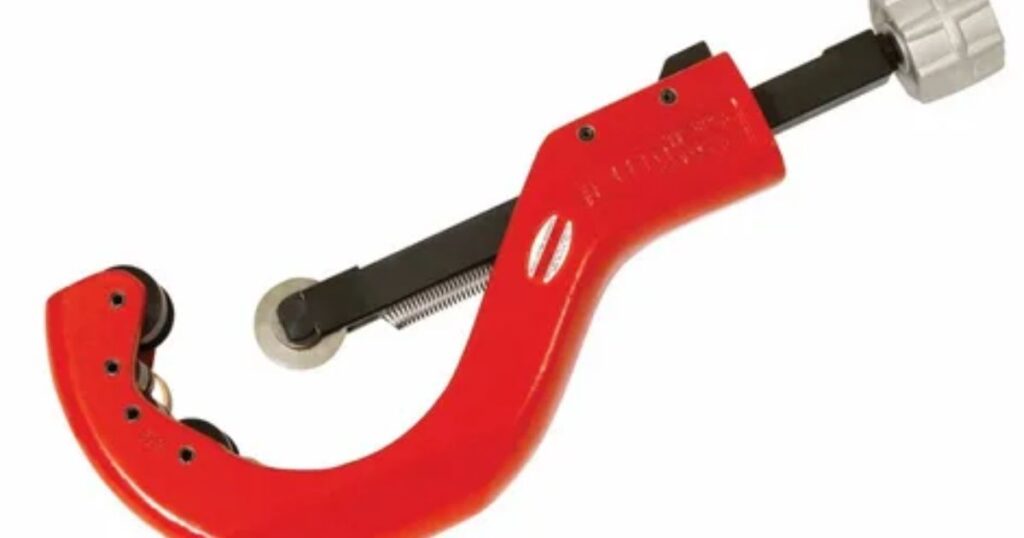
Ever tried cutting a caulk tube tip with scissors and ended up with a jagged uncontrollable mess wasting half the tube instantly? A dedicated sealant tube cutter solves that problem completely. These compact tools typically around three inches long slice nozzle tips cleanly at a perfectly controlled angle every time you use them.
Most cutters include a small spike on the opposite end specifically for punching through the inner foil seal inside the tube. Without breaking that inner seal first, nothing flows out regardless of how cleanly you cut the outer nozzle tip. Having both tools combined in one compact piece is genuinely convenient and practical.
These cost almost nothing at home improvement stores usually just a dollar or two at most. They take up almost no drawer space whatsoever. Once you use a proper tube cutter instead of random scissors from the kitchen, you’ll wonder what took you so long to pick one up and try it.
12. Plumbing Nipple
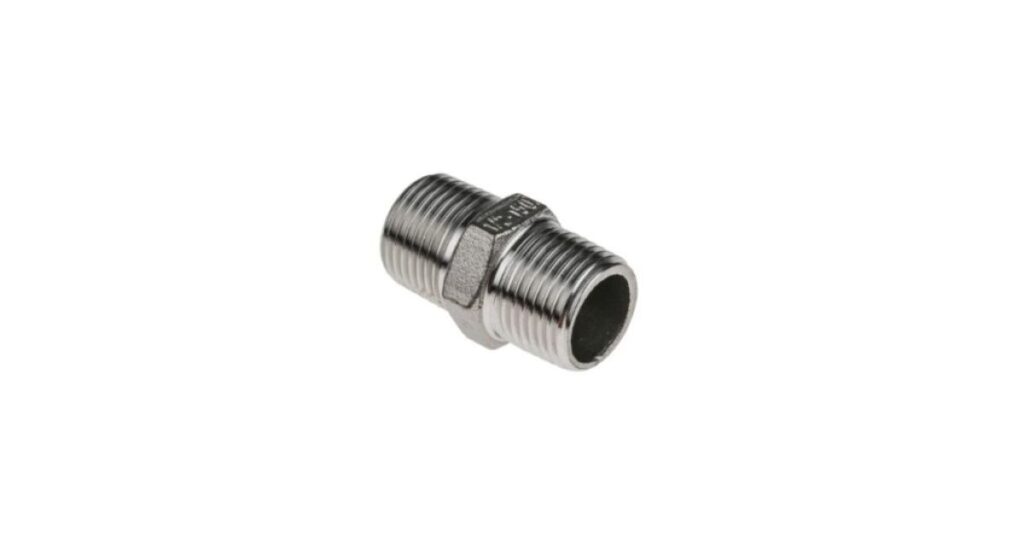
In plumbing terminology, a “nipple” is simply a short pre-cut pipe section threaded on both ends. A three-inch nipple yes, that’s the actual industry name used universally qualifies as a standard size available at virtually every hardware store in steel, brass, galvanized, and PVC materials for different application needs.
Plumbers reach for these constantly when connecting faucets, shut-off valves, or fixtures in tight spaces where a longer pipe section would be completely impractical to install. The pre-cut length saves significant time compared to measuring, cutting, and threading raw pipe on-site during a repair job under pressure.
Keeping a few pre-cut nipples in different standard lengths in your home tool stash pays off during plumbing emergencies. You avoid cutting and threading pipe yourself a genuinely miserable task without professional-grade equipment. Three-inch nipples handle most common household connection gaps between fixtures and supply lines perfectly well.
13. Caster Wheel Diameter
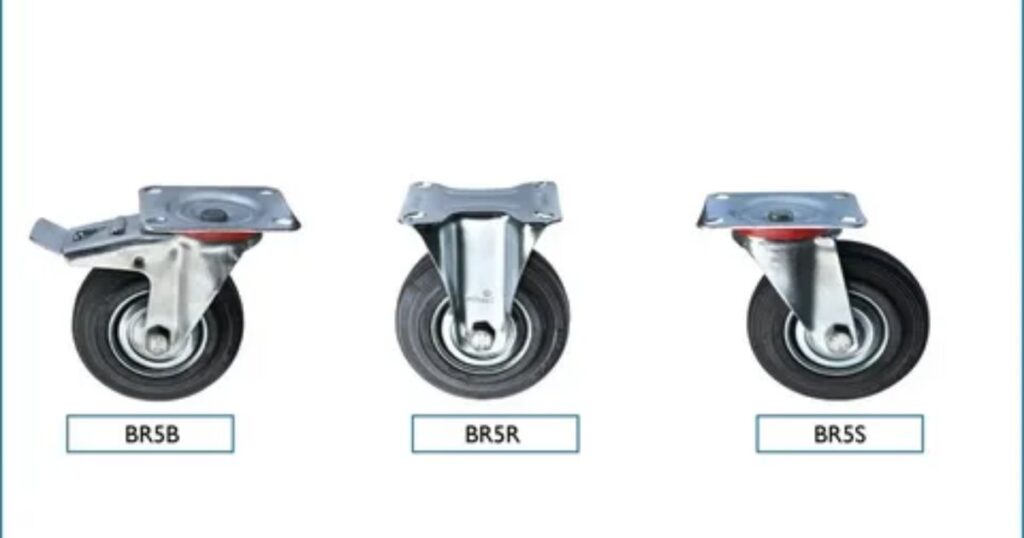
Roll your office chair across the floor right now. Those wheels underneath measure roughly three inches in diameter just the wheel itself, not the mounting stem or bracket above it. This size appears constantly on office furniture, industrial utility carts, tool chests, and heavy equipment across workshops and warehouses everywhere you look.
Wheel diameter directly affects rolling performance and floor clearance. A three-inch wheel rolls smoothly over small floor imperfections like carpet transitions and cable bumps without getting stuck or lifting the load awkwardly. Smaller wheels catch on obstacles constantly while larger ones raise furniture uncomfortably high off the floor for most users.
When replacing worn caster wheels, measure the wheel diameter carefully before ordering any replacements. Getting the wrong size means the furniture sits at the wrong height or rolls poorly on your specific flooring type. Three inches is common enough that replacements stay easy to source at very reasonable prices almost anywhere.
14. Standard Sticky Note
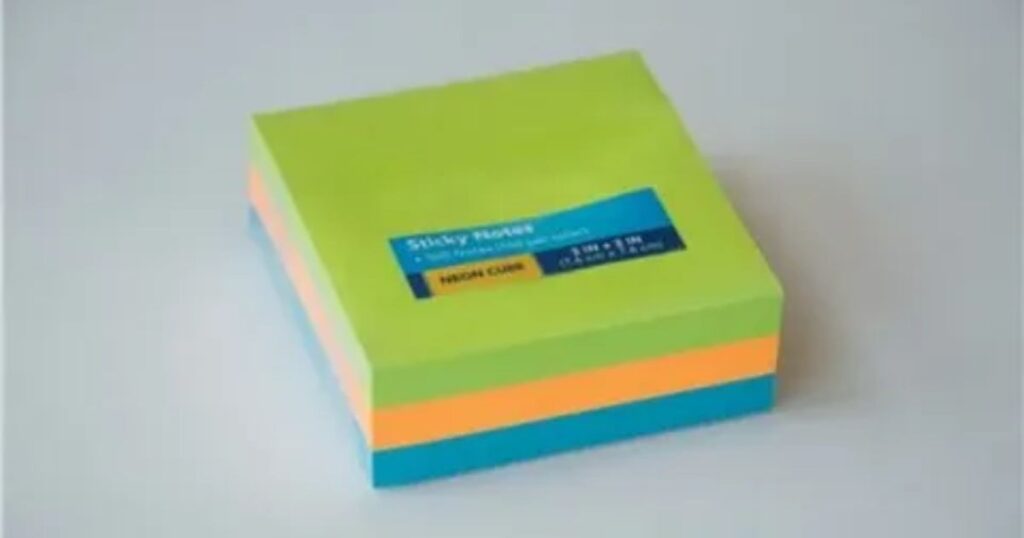
Here’s your single best everyday reference for three inches. Standard square Post-it notes measure exactly 3×3 inches on every side. Every office has stacks of them. Most home desks have a pad sitting nearby. That familiar yellow square becomes your built-in ruler whenever you need a fast visual estimate without hunting for a tape measure.
Hold one up against anything you need to measure quickly. Checking spacing for wall hooks use a sticky note as your instant guide. Figuring out if a small item fits on a shelf press a Post-it against the edge and compare directly. It’s surprisingly accurate for something that’s just stationery sitting on your desk.
Lock this mental shortcut in permanently right now: sticky note side equals three inches. Every time you grab one to jot a quick reminder, your brain reinforces the measurement automatically. Over time, visualizing three inches becomes as effortless as knowing what a dollar bill looks like without consciously thinking about it at all.
How To Measure Without A Ruler
No ruler nearby doesn’t mean you’re stuck guessing blindly at sizes. Several reliable body-based and everyday object methods get you surprisingly close to three inches without any measuring tools at all. Most people already carry the best improvised measuring tools they need right on their hands and in their wallets daily.
Here are the most practical no-ruler methods worth memorizing right now:
- Thumb knuckle method: Tip to first knuckle equals roughly one inch for most adults. Mentally stack three together and you’ve reached three inches fairly accurately.
- Credit card length: Standard cards measure about 3.375 inches long just slightly over three inches and a close enough reference for most situations.
- Quarter lineup: Three U.S. quarters placed side by side span approximately three inches across any flat surface you have available.
- Sticky note edge: One side of a standard Post-it measures exactly three inches. Perfectly flat and very easy to hold directly against objects for instant comparison.
Practice these methods a few times and they become completely instinctive. Your hands turn into portable measuring tools you never leave home without using. The sticky note method wins for pure accuracy since it delivers an exact three-inch reference every single time without any personal variation involved whatsoever.
Real-World Situations Where This Measurement Matters
Three inches sounds like a small almost trivial measurement but it shows up constantly in real decisions you make daily. Online shopping, home repairs, fashion choices, and teaching moments all rely on visualizing this size accurately. Getting it wrong costs money, time, and sometimes a frustrating return shipping experience you didn’t need.
Here’s where this measurement actually matters in your daily life right now:
Online Shopping: Heel heights on shoes, planter diameters, belt buckle widths, and accessory sizing all commonly fall around three inches. Visualizing the size before buying prevents expensive sizing mistakes and eliminates the hassle of returning items that look completely different in person than they appeared in the listing photos online.
Home Repairs and DIY: Shelf brackets, door stoppers, furniture feet, and drill extensions all cluster around this size. Knowing it helps you grab exactly the right hardware on your first store visit instead of making multiple frustrating return trips because you estimated the wrong size and bought accordingly.
Fashion and Accessories: Bracelet widths, hair accessory lengths, and belt buckle dimensions frequently measure three inches. A three-inch cuff bracelet looks dramatically different on your wrist than a one-inch or five-inch version. Getting the size right matters for both everyday comfort and overall visual proportion on your body.
Teaching Kids Measurements: Explaining measurements to children clicks instantly with physical objects they already recognize. “Your scrunchie is about three inches across” lands far more effectively than abstract number explanations ever could. Kids then measure toys, snacks, and books using objects they already handle and understand naturally every day.
Common Questions
Three inches generates more genuine confusion than you’d expect from such a simple measurement. People constantly ask about conversions, estimation tricks, ruler reading techniques, and comparisons to metric equivalents. These questions come up during online shopping sessions, home improvement projects, and casual conversations about sizing all the time.
The answers below cover the most frequently asked questions about this specific measurement clearly and practically. Each response skips unnecessary technical detail and gets straight to what you actually need to know. Understanding how big is 3 inches becomes genuinely simple once you connect numbers to real physical objects you already know well.
Bookmark this section for quick reference whenever the measurement comes up in your life. Whether you’re shopping online, fixing something around the house, or explaining a size to someone else entirely, these answers give you everything you need without overcomplicating a fundamentally simple and practical topic at all.
How Many Centimeters Is 3 Inches?
Three inches equals exactly 7.62 centimeters. The math is straightforward: one inch equals 2.54 centimeters so multiplying 2.54 by three gives you 7.62 precisely. This conversion appears constantly in international online shopping where product listings switch between metric and imperial measurements without any warning or explanation for the reader.
Rounding to 7.6 cm works perfectly fine for most everyday purposes without causing any real problems. The difference between 7.6 and 7.62 is less than half a millimeter completely irrelevant unless you’re doing precision engineering or scientific measurement work. For shopping, home repairs, and general sizing tasks, 7.6 cm gets you exactly where you need to be without stress.
Memorizing this single conversion unlocks the ability to compare measurements across any product listing worldwide with real confidence. Many European and Asian retailers list dimensions exclusively in centimeters. Knowing that 7.62 cm equals three inches means you’re never confused or caught off guard regardless of which measurement system a seller decides to use in their listing.
Can I Use My Hand To Estimate 3 Inches?
Absolutely your hand works surprisingly well as a quick measuring tool for three inches in most everyday situations. Hold out your dominant hand and look at your thumb carefully. For most adults, the distance from the tip of the thumb to the first knuckle measures roughly one inch. Triple that distance mentally and you’ve reached three inches without any tools needed at all.
This method isn’t laboratory-precise but works well enough for hardware store decisions, furniture spacing estimates, and quick size comparisons while shopping for items in person. Measure your own thumb knuckle once with an actual ruler and you’ll know exactly how accurate your personal estimate runs compared to the true measurement for future reference during estimations.
Beyond the thumb, your index finger width measures roughly half an inch for most average-sized adult hands. Six finger widths placed side by side approximate three inches reasonably well. Combining multiple body-based references cross-checks your estimate and builds real confidence in your measurement even without any actual measuring tools present near you.
What’s The Easiest Object To Remember?
A standard square sticky note wins this category without any serious competition from other options. Every side measures exactly three inches no approximation or rounding involved whatsoever. Unlike body-based estimates that vary between different individuals, a Post-it delivers a perfectly consistent three-inch reference every single time regardless of who’s using it or where they happen to be.
The sticky note wins largely because of its sheer availability in everyday life. They exist in virtually every office, classroom, kitchen workspace, and home desk setup you’ll encounter. You’re almost never more than a few feet away from one during your normal daily routine making the mental shortcut genuinely useful rather than just theoretical knowledge you rarely apply practically.
Lock in this association permanently right now: sticky note side equals three inches exactly. Every time you grab one to jot a quick reminder or leave a note for someone, your brain reinforces this measurement automatically without any conscious effort required. Over time, visualizing three inches becomes as effortless and automatic as recognizing what a dollar bill looks like instantly.
Is 3 Inches Close To A Quarter Foot?
Three inches equals exactly one-quarter of a foot not approximately but with complete mathematical precision. Since one foot contains twelve inches, dividing by four gives you three inches perfectly every time. This relationship makes converting between inches and feet remarkably simple whenever you’re working with measurements during home improvement or general building projects around your property.
This exact relationship proves genuinely useful in construction and renovation work constantly. Quarter-foot increments show up in lumber sizing, tile spacing calculations, and cabinet measurement planning. Recognizing that three inches equals exactly one-quarter foot helps you work fluidly between measurement systems without needing a calculator for every basic conversion you encounter throughout a project day.
When someone mentions “a quarter foot” during a hardware store conversation, you now know they mean three inches precisely without any mental calculation required. And when a project plan lists three-inch spacing intervals, you instantly recognize those as one-quarter foot marks. These small mental connections make reading plans and following building instructions significantly faster and less error-prone overall for everyone involved.
How Do I Measure 3 Inches On A Ruler?
Find the zero mark at the left edge of your ruler not the physical end of the ruler itself but the actual marked zero point which may sit slightly inward from the edge. Count three full inch marks to the right from that zero point carefully. The third mark is your exact three-inch position on any standard imperial ruler regardless of brand or material used.
Imperial rulers typically show inch marks as the longest lines with half-inch, quarter-inch, and eighth-inch marks appearing progressively shorter between them on the scale. Focus only on the longest lines when counting your way to three. Avoid the common mistake of starting your count from the physical ruler end rather than the clearly marked zero line itself for accuracy.
If you’re using a metric ruler instead, find the 7.6 centimeter mark or more precisely the 76 millimeter mark on the scale. Three inches lands between the 7.5 and 8 centimeter marks but noticeably closer to 7.5 than to 8. Marking lightly with a pencil before cutting or drilling helps avoid costly measurement mistakes during important home projects.
Which Is Bigger: 3 Inches Or 8 Centimeters?
Eight centimeters is slightly bigger than three inches by a small but real margin. Three inches converts to 7.62 centimeters so eight centimeters exceeds it by 0.38 centimeters less than four millimeters total difference between the two measurements. They sit extremely close together on any ruler but eight centimeters genuinely edges out three inches every time you compare them directly.
In practical everyday terms, this difference is barely noticeable to most people without a measuring tool confirming it. Holding a three-inch object next to an eight-centimeter object, most observers couldn’t confidently identify the size difference with their eyes alone. The gap is roughly the thickness of three or four stacked pieces of standard printer paper a genuinely tiny real-world difference in normal situations.
However, precision matters enormously in certain specific contexts worth acknowledging. Engineering tolerances, medical device manufacturing, and precision technical production all care deeply about sub-millimeter differences in dimensions. For everyday shopping, cooking, and standard home projects though, treating three inches and eight centimeters as essentially equivalent measurements works perfectly well without creating any meaningful practical problems for anyone.
FAQ’S
How big is 3 inches exactly?
Three inches equals 7.62 centimeters. Picture a standard sticky note one side measures exactly three inches. That’s your perfect everyday reference.
How big is 3 inches compared to my hand?
Your thumb from tip to first knuckle is roughly one inch. Triple that distance mentally and you’ve visualized how big is 3 inches instantly.
How big is 3 inches in everyday objects?
A hair scrunchie laid flat, a small carabiner clip, or a large safety pin all measure right around three inches long.
How big is 3 inches versus a centimeter ruler?
Find the 7.6 centimeter mark on any metric ruler. That’s exactly where three inches lands. It sits between the 7.5 and 8 centimeter marks.
How big is 3 inches for online shopping?
Three inches is one-quarter of a foot. When product listings say three inches, picture your sticky note. That simple visual saves costly sizing mistakes every time.
Conclusion
Now you know how big is 3 inches in real life. It’s not just a number anymore. A sticky note, a scrunchie, a safety pin all show you exactly how big is 3 inches without any ruler needed. That’s pretty powerful knowledge to carry around daily.
How big is 3 inches becomes second nature once you connect it to familiar objects. Three inches equals 7.62 centimeters and one-quarter of a foot. Simple. Next time a product listing says three inches, you’ll picture it instantly. No guessing. No confusion. Just clear confident understanding every single time.