
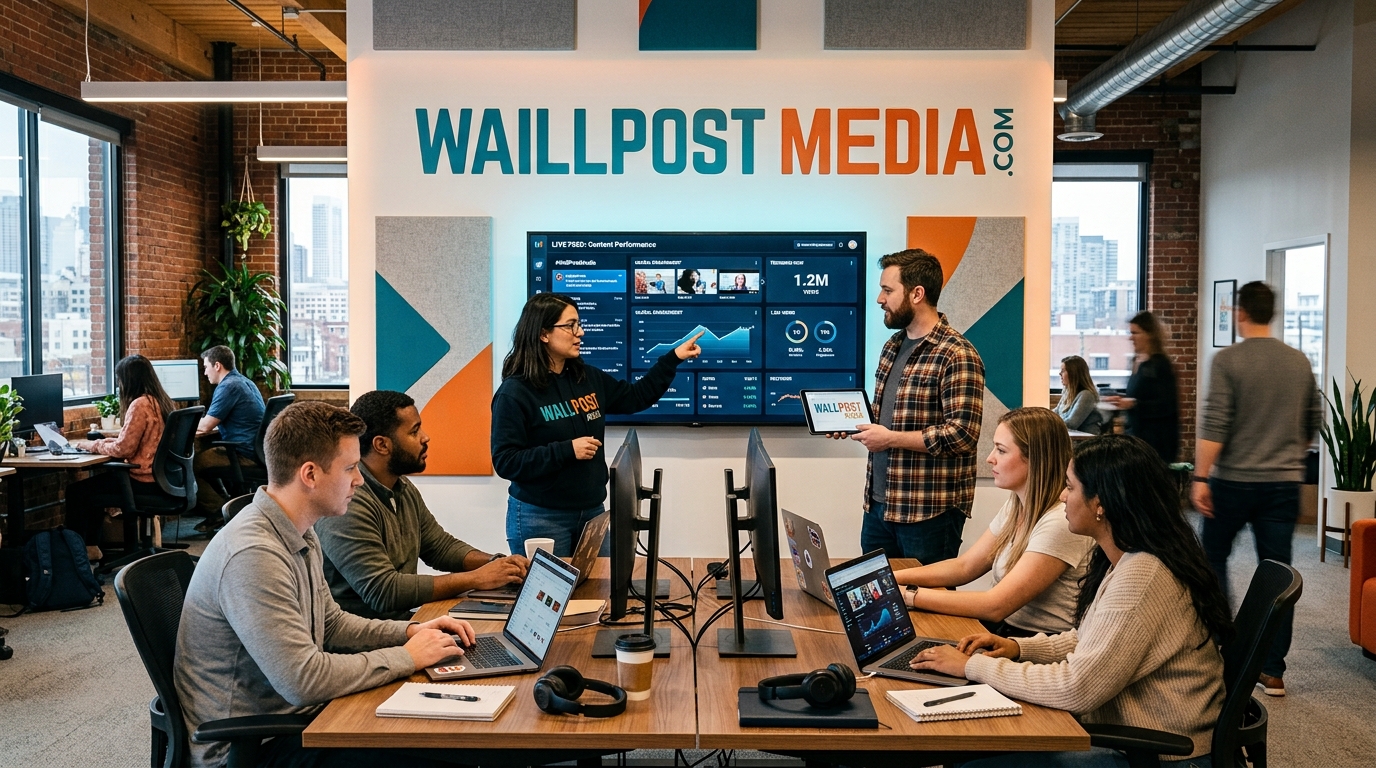
Wallpostmedia com | Premium Digital Media & Wall Art: Complete Guide to Features, Benefits, and Creative Possibilities 2026
Wallpostmedia com is changing how people think about digital art. This complete guide to Wallpostmedia com covers everything you need to know about premium digital media and wall art. You’ll learn about features, benefits, and creative possibilities that make this platform stand out. Homeowners love it. Designers trust it. Businesses rely on it too.
This guide to Wallpostmedia com breaks down every feature in simple terms. You get high-resolution wall art. You get powerful digital media tools. You get real creative freedom. Whether you want home décor or office branding, Wallpostmedia com delivers premium quality. This complete guide walks you through the benefits step by step, so you can start creating right away.
WHAT IS WALLPOSTMEDIA COM?
Wallpostmedia com is a digital media platform built for creating premium wall art. It helps you design, customize, and export professional visuals. You don’t need a design degree. You just need an idea. The tools handle the rest, from templates to high-resolution exports.
Anyone can jump in and start creating right away. The platform works for home décor, office branding, and commercial projects alike. It skips the steep learning curve of traditional design software. Instead, it focuses on speed, simplicity, and quality output that looks great printed or displayed digitally.
Platform Overview
The platform runs on three core ideas: easy design, sharp resolution, and cloud access. You can build a project on your laptop and pick it up later on your phone. Nothing gets lost. Nothing gets left behind.
| Feature | Benefit |
| Easy design creation | Works for beginners and pros |
| High-resolution exports | Ready for printing or digital use |
| Cloud-based workflow | Access projects from any device |
This setup keeps quality high without making the process complicated. You get professional results without the professional price tag or the professional headache.
Who Uses Wallpostmedia.com?
Homeowners use it to personalize their walls. Interior designers use it to build client presentations fast. Small business owners use it for branded office art. Nobody’s left out here. The platform welcomes total beginners just as warmly as seasoned creatives.
Marketing teams generate promotional graphics with it. Online sellers build printable products for marketplaces. Content creators design pieces they can sell again and again. In short, if you need attractive visuals, this platform probably has a place in your workflow.
WHY PREMIUM DIGITAL WALL ART CONTINUES TO GROW
Digital wall art isn’t a passing trend. People want instant results, and they want control over how their space looks. Buying a print from a gallery takes time and money. Downloading a design takes minutes. That shift alone explains a lot of the growth.
Printers have gotten better too. What used to look flat and grainy now looks sharp and vivid. Combine that with remote work pushing people to decorate home offices, and you’ve got a market that keeps expanding year after year, with no signs of slowing down.
Instant Accessibility
Traditional artwork means waiting. You order it, it ships, then you frame it. That process can take weeks. Digital wall art skips all of that. You download the file. You print it at home or at a local shop. Done. No delays, no shipping fees, no guessing when it’ll arrive.
This speed matters more than people realize. Say you’re redecorating before guests arrive this weekend. A physical print won’t make it in time. A digital download will. That kind of flexibility is exactly why more people choose digital art over the traditional route.
Affordable Customization
Buying multiple physical prints gets expensive fast. Digital art flips that script. You can tweak colors, resize the layout, or swap the font, all before you print a single copy. That saves money and cuts down on wasted paper from prints you don’t love.
Think of it like tailoring a suit instead of buying one off the rack. You adjust it until it fits your space perfectly. Want a bolder color for the living room but something softer for the bedroom? Change it in minutes, no extra cost involved.
Better Printing Technology
Printers today do a lot more than they used to. Modern print heads capture fine detail, sharp lines, and rich color that used to require professional equipment. That gap between home printing and gallery printing keeps shrinking.
Export your artwork at the right resolution, and it’ll hold up beautifully on paper. Colors stay accurate. Edges stay crisp. That reliability builds trust, so people feel confident printing at home instead of paying extra for professional print shops every time.
Growing Home Office Market
Remote work changed how people think about their workspace. A dull, empty wall behind your desk doesn’t cut it anymore, especially with video calls becoming routine. People now invest in décor that reflects their personality or their brand.
Businesses have caught on too. Companies decorate home offices and shared workspaces with branded art to keep culture alive, even remotely. That demand keeps pushing platforms like this one to offer more templates, more styles, and faster turnaround for busy professionals.
KEY FEATURES OF WALLPOSTMEDIA COM
Good tools make good design possible. This platform packs in features that handle both the creative and technical sides of the job. You don’t have to master complicated software to get a polished result.
From AI assistance to cloud storage, every feature aims at one goal: helping you finish faster without cutting corners. Whether you’re a total beginner or someone who designs for a living, these tools adjust to how you work, not the other way around.
AI-Assisted Design Tools
AI has quietly taken over a lot of the tedious work in design. Instead of starting from a blank page, you can generate concepts, tweak them, and move on. It saves hours that used to go into manual editing.
Common AI features include design generation, image enhancement, background removal, object cleanup, and smart cropping. None of these replace your creative judgment. They just handle the boring parts, so you can spend your energy on the parts that actually matter.
Extensive Design Templates
Staring at a blank canvas can be intimidating. Templates fix that. You start with a layout that already works, then you make it your own. Categories range from modern art to motivational quotes to seasonal collections.
This approach keeps your designs consistent without boxing in your creativity. Think of a template as a recipe. You still choose the ingredients and adjust the seasoning, but you’re not guessing the basic structure from scratch every single time.
High-Resolution Artwork
Resolution makes or breaks a printed piece. Professional prints typically need 300 DPI, meaning 300 dots packed into every inch. Anything lower tends to look blurry once you enlarge it, especially on bigger wall pieces.
High-resolution exports keep your edges sharp and your text readable from across the room. Colors stay true to what you designed on screen. That consistency is what separates amateur-looking prints from ones that feel genuinely professional and gallery-worthy.
Flexible Canvas Sizes
Different spaces call for different sizes. A small frame in a hallway needs something different than a statement piece above a couch. This platform supports a range of standard dimensions, plus custom sizing when you need it.
| Print Size | Common Usage |
| 8×10 inches | Small frames |
| 11×14 inches | Home décor |
| 16×20 inches | Office artwork |
| 18×24 inches | Posters |
| 24×36 inches | Large statement pieces |
Picking the right size early saves you from stretching or cropping issues down the road.
Cloud-Based Project Storage
Losing a project because your computer crashed is a nightmare nobody wants. Cloud storage removes that risk entirely. Your files live online, not just on one device, so a hardware failure won’t wipe out hours of work.
You can also switch devices mid-project. Start designing on your desktop, then finish edits on your laptop later that evening. Version history keeps track of changes too, so you can always roll back if something goes sideways.
Collaboration Features
Design rarely happens in a vacuum, especially for client work. Collaboration tools let multiple people work on the same project, leave comments, and approve final drafts without endless email threads back and forth.
Shared workspaces keep everyone on the same page, literally. A designer can upload a draft, a client can leave feedback directly on it, and revisions happen faster. That kind of streamlined communication cuts down on miscommunication and missed deadlines.
Print-Ready Downloads
The final export determines how your artwork actually turns out once it’s printed. This platform supports several formats, including PNG, JPEG, PDF, SVG, and TIFF, each suited to a different purpose.
PNG works well for digital graphics with transparency. PDF suits professional printing. SVG scales cleanly for vector work. Picking the right format isn’t just a technical detail. It directly affects how sharp and accurate your finished print looks.
TYPES OF WALL ART YOU CAN CREATE
This platform doesn’t box you into one style. Whether you love bold color or prefer quiet minimalism, there’s a lane for you here. The variety means two people using the same tools can end up with completely different results.
That flexibility matters because taste varies so much from room to room and brand to brand. A tech startup’s office wall shouldn’t look like someone’s cozy reading nook. Having options built into the platform means you’re never forcing a style that doesn’t fit.
Abstract Artwork
Abstract design remains one of the most popular choices for modern interiors. Bold shapes and unexpected color combinations bring energy into a room without needing to represent anything literal or specific.
It works especially well in open, contemporary spaces where a photograph might feel too literal or too busy. Layered textures add depth. A single abstract piece can anchor an entire room’s color scheme without saying a single word.
Minimalist Prints
Minimalism strips things down to the essentials. Clean lines, neutral tones, and generous spacing create a calm, uncluttered feel. It’s the design equivalent of a deep breath.
This style suits home offices and living rooms where you want visual quiet rather than visual noise. Less really is more here. A single well-placed minimalist print often makes more impact than three busy pieces crowded together on the same wall.
Typography Artwork
Words carry weight, especially when they’re designed well. Typography artwork pairs a strong quote or phrase with thoughtful font choices and spacing. Done right, it feels personal and intentional rather than generic.
People gravitate toward typography for gifts and personal spaces because the message resonates directly. A well-chosen quote in an elegant font can say more about someone’s personality than a photograph ever could, and it ages well too.
Nature Photography
Landscapes never really go out of style. Mountains, forests, beaches, and wildlife scenes bring a sense of calm into any room. There’s a reason spas and waiting rooms lean on nature imagery so heavily.
These pieces work almost anywhere, from bedrooms to office lobbies. They don’t clash with existing décor the way bold patterns sometimes do. A well-shot forest or ocean scene instantly softens a space and makes it feel more relaxed and welcoming.
Office Branding
Businesses use wall art to reinforce identity, not just decorate. Think mission statements, team values, or milestone timelines displayed prominently where employees and visitors see them every day.
This kind of branding does quiet work. It reminds employees what the company stands for and gives visitors a strong first impression. A well-designed reception wall can say more about a company’s culture than any pamphlet or website ever could.
Social Media Graphics
Artwork built for walls often translates directly into digital marketing. The same design principles apply, just at different dimensions, whether that’s an Instagram post or a Pinterest pin.
This dual-purpose design saves time. You create one cohesive visual identity, then adapt it across print and digital channels. That consistency helps audiences recognize your brand instantly, whether they’re scrolling online or walking past your storefront.
HOW WALLPOSTMEDIA.COM WORKS
Getting started doesn’t require a manual. The process moves in a logical sequence, from account setup to final export, and each step builds naturally on the last one.
Even total beginners can follow along without getting lost. The interface guides you rather than overwhelming you with buttons and menus you’ll never touch. That simplicity is a big part of why so many first-time designers stick with the platform.
Creating An Account
Everything starts with a simple sign-up. Once you’re registered, your projects sync automatically to the cloud. You won’t need to remember to save constantly or worry about losing progress halfway through.
This step takes just a minute or two. After that, you’re ready to explore templates, start a blank canvas, or dive into AI-generated concepts. There’s no complicated onboarding process standing between you and your first design.
Starting A New Project
Once you’re in, you choose how to begin. Options usually include a blank canvas, a template, an AI-generated concept, or an uploaded image you already have saved on your device.
Each path suits a different mindset. If you already have a clear vision, start blank. If you want inspiration, browse templates or try AI generation. There’s no wrong way to begin, just different starting points for different creative moods.
Customizing The Design
This is where your project really takes shape. You’ll adjust colors, swap fonts, move layers around, and fine-tune the background until everything feels balanced and intentional rather than accidental.
Small tweaks add up quickly here. Shifting a font size or nudging an image a few pixels can transform a decent design into a great one. Take your time in this stage. It’s genuinely where the magic happens.
Previewing The Final Artwork
Before you export anything, preview mode lets you catch mistakes early. Check your spacing, your margins, and your alignment carefully. A crooked element that looked fine at a glance can stand out badly once printed.
This step feels optional, but skipping it often leads to regret. Zoom in on the details. Zoom back out to check the overall balance. A few extra minutes here saves you from reprinting a piece that didn’t quite land the first time.
Exporting Finished Files
Once you’re happy with the design, export it in the format that fits your project. Resolution settings matter here just as much as the design itself, especially for larger pieces.
Choosing the correct resolution keeps your artwork sharp regardless of size. A file exported for a small frame won’t necessarily hold up at poster size, so match your export settings to your intended print dimensions before you finalize anything.
STEP-BY-STEP GUIDE TO CREATING PROFESSIONAL WALL ART
Creativity helps, but structure gets you consistent results. Following a repeatable process means you won’t waste time guessing what comes next or second-guessing decisions you’ve already made.
This guide walks through each stage in order, from defining your goal to exporting the final file. Stick with it, and you’ll end up with artwork that looks intentional and polished, not rushed or thrown together.
Define Your Design Goal
Before opening the editor, ask yourself what this piece needs to accomplish. Is it decorating a living room, enhancing an office lobby, or something you plan to sell online as a printable product.
That answer shapes everything downstream, from color choices to canvas size. A design meant to sell needs broader appeal. A design meant for your own bedroom can be as personal and specific as you’d like it to be.
Choose The Right Canvas Size
Size decisions early on prevent headaches later. Large wall pieces need higher resolution than something meant for social media. Picking the wrong aspect ratio can lead to stretching or awkward cropping down the line.
| Ratio | Best For |
| 4:5 | Portrait artwork |
| 3:4 | Standard frames |
| 2:3 | Posters |
| 1:1 | Square prints |
| 16:9 | Digital displays |
Get this right at the start, and everything else moves more smoothly.
Select A Template Or Generate Artwork
Some people prefer starting with a professional template. Others want something completely original and turn to AI generation instead. Both routes work well, depending on your goal and your timeline.
If you go the AI route, be specific. Describe the subject, the style, the colors, and the mood you’re after. Vague prompts produce vague results. Detailed prompts produce artwork that actually matches what you had in mind.
Customize Every Design Element
Once you’ve got a starting point, refine it piece by piece. Look closely at font pairing, color harmony, spacing, and contrast. These small details separate amateur work from something that feels genuinely polished.
White space deserves special attention here. Adding breathing room around text often makes a design feel cleaner instantly. Remember too that wall art gets viewed from a distance, so bold focal points read better than tiny, fussy details.
Learn more:What Is BrassSmile com? Everything You Need to Know About BrassSmile.com 2026
Optimize Resolution Before Exporting
Resolution decides how your final print looks. A common mistake is designing with web-sized images that look fine on screen but turn blurry the moment they’re printed large.
| Output | Recommended Resolution |
| Web graphics | 72–150 DPI |
| Flyers | 300 DPI |
| Posters | 300 DPI |
| Canvas prints | 300 DPI |
| Large-format prints | 300 DPI or higher |
Use high-quality source images whenever you can, especially for photographs.
Export Using The Correct File Format
Every format has its own strength. Picking the wrong one can hurt quality or cause compatibility issues with your printer.
| File Type | Best Use |
| PNG | High-quality graphics with transparency |
| JPEG | Smaller files for online sharing |
| Professional printing | |
| SVG | Vector artwork and scalable graphics |
| TIFF | Commercial print production |
Match the format to the purpose, and your final output will hold up exactly as intended.
AI AND AUTOMATION INSIDE WALLPOSTMEDIA.COM
AI doesn’t replace the creative person behind the screen. It just removes friction. Tasks that used to take an hour, like cleaning up a background, now take seconds, freeing you up to focus on the bigger creative decisions.
This platform weaves AI into several stages of the workflow, from initial concept generation to final resolution enhancement. The goal isn’t to think for you. It’s to clear away the tedious parts so your ideas move faster from concept to finished print.
AI Image Generation
Instead of digging through stock photo sites, you can just describe what you want. Type something like “minimalist mountain landscape” or “luxury gold geometric wall art,” and the system generates options within moments.
This speeds up the brainstorming phase dramatically. You’re not stuck with whatever a stock library happens to have. You get original concepts tailored to your description, which you can then refine further until it matches your vision exactly.
Smart Layout Suggestions
Good composition isn’t always obvious, even to experienced designers. AI can analyze your layout and suggest tweaks that improve balance, symmetry, or readability, catching issues you might not notice on your own.
This feature especially helps beginners. You get guidance that would normally take years of design training to develop instinctively. It’s like having a second pair of eyes looking over your shoulder, minus the awkward small talk.
Background Removal
Manually cutting out a background used to eat up serious time, especially around tricky edges like hair or fur. AI handles this automatically now, identifying the subject and separating it cleanly from its surroundings.
The accuracy here has improved dramatically over the past few years. What once required patience and a steady hand now takes a single click. That time savings adds up fast, especially if you’re working on multiple pieces at once.
Automatic Color Recommendations
Color shapes mood more than most people consciously realize. This platform can suggest palettes based on interior styles, seasonal trends, or brand identity, taking some of the guesswork out of color selection.
| Color | Common Association |
| Blue | Trust and calmness |
| Green | Nature and growth |
| Black | Luxury and elegance |
| Gold | Premium quality |
| Orange | Energy and creativity |
Thoughtful color choices make the final piece feel more intentional and engaging.
AI Image Upscaling
Large wall prints demand serious detail, and low-resolution source images just can’t keep up on their own. AI upscaling boosts resolution while preserving sharpness, so enlargement doesn’t turn into a blurry mess.
This matters most for oversized statement pieces, where every flaw becomes visible up close. A photo that looked fine at a small size can now scale up to poster dimensions without the pixelation that used to make large prints look cheap.
UNDERSTANDING PRINT QUALITY
A beautiful design on screen doesn’t guarantee a beautiful print. Several technical details, from resolution to paper choice, determine whether your final piece looks professional or disappointing once it’s actually hanging on a wall.
Understanding these basics doesn’t require a design degree. A little knowledge about DPI, color modes, and paper types goes a long way toward avoiding costly mistakes and getting a print you’ll actually be proud to display.
DPI Matters
DPI stands for dots per inch, and it’s the single biggest factor in print sharpness. More dots packed into each inch means finer detail and cleaner edges once the ink hits paper.
For professional wall art, 300 DPI remains the standard benchmark. Anything significantly lower tends to look soft or blurry, especially once you scale up to larger sizes. Always double-check your export settings before sending anything off to print.
RGB Vs. CMYK
Color modes trip up a lot of beginners. RGB works great for screens, phones, and social media. CMYK is built specifically for printing. Mixing these up can lead to colors that look off once printed.
| Color Mode | Intended Use |
| RGB | Websites, social media, mobile devices |
| CMYK | Commercial printing |
Converting your file to CMYK before sending it to print helps keep your colors accurate and consistent with what you originally designed.
Paper Selection
Paper changes everything about how a print feels and looks. Matte paper cuts down on glare and gives a softer, more subdued finish. Glossy paper punches up vibrancy and makes colors pop.
Fine art paper and canvas offer a more textured, premium feel, often preferred for statement pieces. The right choice depends on your space and your budget. There’s no universally correct answer, just the best fit for your particular project.
Canvas Or Poster?
Canvas gives you a gallery-style look without needing a frame or glass. It feels substantial and a bit more upscale, which makes it a popular choice for living rooms and offices alike.
Posters cost less and work beautifully once framed. They’re a smart choice if you’re decorating on a budget or plan to swap out artwork frequently. Neither option is objectively better. It really comes down to your budget and your personal style.
Avoid Pixelation
Pixelation happens when you stretch an image beyond its original resolution, and it’s one of the most common printing disappointments people run into. Blurry, blocky edges ruin an otherwise great design.
Prevent it by starting with high-resolution files, exporting at 300 DPI, and avoiding excessive enlargement whenever possible. Vector graphics help too, since they scale without losing quality. A little caution here saves you from a wasted print run.
BEST USE CASES FOR WALLPOSTMEDIA.COM
This platform stretches across a surprising number of industries, not just interior décor. That flexibility is exactly what makes it useful for such a wide range of people and purposes.
Whether you’re sprucing up your living room or refreshing a client’s lobby, the same core tools apply. It’s less about who you are and more about what kind of visual impact you’re trying to create.
Home Decoration
Personalized wall art turns an empty, forgettable room into something that actually feels like yours. It’s often the fastest, most affordable way to transform a space without touching the furniture or the paint color at all.
Living rooms, bedrooms, and hallways all benefit from coordinated artwork that ties the whole space together. A matching set of prints across a few rooms creates a cohesive feel that random, mismatched décor just can’t replicate.
Interior Design Projects
Designers often need to pitch several concepts before a client commits to anything. Digital wall art speeds up that process significantly, letting clients visualize a finished look before a single piece gets printed or framed.
This cuts down on wasted revisions and back-and-forth emails. Clients can see exactly what a space will look like, make adjustments on the spot, and approve designs faster. That efficiency matters a lot when deadlines and budgets are tight.
Small Business Branding
Office walls say a lot about a company, whether intentionally or not. Reception displays, mission statements, and product showcases all reinforce identity every time an employee or visitor walks through the door.
A well-branded space leaves a lasting impression on clients and new hires alike. It signals that a company cares about details, even the small ones like wall décor. That kind of polish builds trust before a single word gets spoken.
Printable Products
Selling printable art has become a legitimate online business for a lot of creative entrepreneurs. Customers get instant delivery, and sellers avoid the overhead of physical inventory or shipping costs entirely.
This model works especially well for niche styles, like botanical prints or minimalist typography. Buyers appreciate the flexibility to print at whatever size fits their space, and sellers can build an entire catalog without ever touching a warehouse.
Hospitality Industry
Hotels, cafés, and coworking spaces need to keep their interiors feeling fresh, and full renovations aren’t always practical or affordable. Digital wall art offers an easy, budget-friendly way to update the look regularly.
Seasonal swaps or new branding campaigns become simple when you’re just printing new artwork instead of overhauling the entire space. This flexibility helps businesses stay visually current without the cost or disruption of a major redesign.
WALLPOSTMEDIA.COM FOR BUSINESSES
First impressions matter, and visuals shape those impressions faster than almost anything else. Businesses increasingly recognize that a well-decorated space builds trust before a client or customer even says hello.
This platform gives businesses an efficient way to produce that polish, from office walls to marketing collateral. The same design consistency that makes a space feel professional also strengthens brand recognition across every other customer touchpoint.
Office Decoration
A thoughtfully designed workspace does more than look nice. It boosts employee morale and creates a welcoming environment for clients who walk through the door for meetings or interviews.
Common choices include inspirational messaging, brand colors, and local photography that gives the space personality. These small touches add up, making an office feel less like a generic cubicle farm and more like a place people actually enjoy working in.
Marketing Materials
The same artwork you design for walls can extend into broader marketing efforts. A consistent visual identity across trade show booths, brochures, and presentation slides reinforces your brand every single time someone sees it.
This consistency saves time too. Instead of designing separate visuals for every channel, you adapt one strong concept across formats. Customers start recognizing your brand faster when the colors, fonts, and style stay consistent everywhere they look.
Retail Displays
Retail spaces live and die by their visuals. Large-format graphics grab attention, highlight promotions, and guide customers toward featured products, all without needing a salesperson to point the way.
Seasonal campaigns benefit especially from quick turnaround design. Swap out a display for a holiday promotion or a new product launch without a huge production timeline. That agility keeps the shopping experience feeling fresh and relevant throughout the year.
DESIGN TIPS THAT PRODUCE BETTER RESULTS
Good design isn’t magic. It follows patterns that professionals rely on again and again, and once you understand them, your own projects start looking noticeably more polished almost immediately.
These aren’t complicated rules, either. Most of them come down to simple choices, like sizing, spacing, and consistency, that anyone can apply regardless of their design background or experience level.
Establish Visual Hierarchy
Every design should guide the eye somewhere specific. Bigger elements should carry your primary message, while smaller details support it quietly in the background without competing for attention.
Without hierarchy, everything fights for attention at once, and viewers don’t know where to look first. A clear hierarchy creates a natural reading flow, leading the eye exactly where you want it to land, in exactly the order you intended.
Limit Font Choices
Too many fonts on one page create clutter fast. Stick to two or three complementary typefaces at most. Anything beyond that starts to feel chaotic and undermines the professionalism of the piece.
Pick one font for headlines and another for supporting text, then stay consistent throughout. This restraint might feel limiting at first, but it actually makes your design stronger. Consistency reads as confidence, while font overload reads as indecision.
Balance White Space
Empty space isn’t wasted space. It’s a design tool in its own right. White space gives elements room to breathe and helps important details stand out instead of getting buried in visual noise.
Cramming too much into one canvas overwhelms the viewer. Pulling back and adding margin around text or images almost always makes a design feel cleaner and more premium, even if you haven’t changed the core content at all.
Consider Room Lighting
Colors shift depending on the light around them. A shade that looks perfect under bright daylight might feel completely different under warm, dim evening lighting in a living room or bedroom.
Whenever possible, preview your artwork in the actual space where it’ll hang before committing to a final print. This extra step catches surprises early, saving you from an expensive reprint after discovering the colors don’t quite match the room.
Maintain Consistent Branding
Businesses especially need consistency across every piece of visual content they produce. That means sticking to approved colors, fonts, and logo placement every single time, without exceptions or shortcuts.
This consistency builds familiarity over time. Customers start recognizing your brand instantly, even without seeing your logo directly. That recognition builds trust, and trust, more than almost anything else, is what turns casual visitors into loyal customers.
Design For Viewing Distance
Wall art gets viewed from feet away, not inches. That changes how you should approach typography and detail. Tiny text or fine details that look great up close often disappear entirely from across a room.
Bold typography, strong contrast, and simple compositions read far better at a distance. Before finalizing anything, step back and view your design from where it’ll actually be seen. That perspective shift often reveals adjustments you wouldn’t catch up close.
COMMON MISTAKES BEGINNERS SHOULD AVOID
Even a great design idea can fall apart from small, preventable errors. Using low-resolution images tops the list, along with ignoring aspect ratios and overcrowding a layout with too many competing elements.
Other common slip-ups include picking hard-to-read fonts, adding too many colors, or exporting in the wrong format entirely. Forgetting print bleed requirements causes headaches too. One helpful habit: step away from your design for a few minutes, then come back with fresh eyes. Spacing issues and distractions become much easier to spot after a short break.
WALLPOSTMEDIA.COM VS OTHER DIGITAL DESIGN PLATFORMS
Choosing the right platform depends on your goals, your budget, and how much time you want to spend learning new software. Every option comes with its own trade-offs worth weighing carefully.
| Feature | Wallpostmedia.com | Traditional Software | Online Editors |
| Beginner Friendly | Excellent | Moderate to Difficult | Excellent |
| Cloud Access | Yes | Varies | Yes |
| Collaboration | Available | Limited | Available |
| Learning Curve | Low | High | Low |
For anyone focused mainly on printable wall art, a streamlined workflow often beats a bulky, feature-heavy desktop program.
Ease Of Use
Simplicity stands out as one of the biggest selling points here. The interface prioritizes getting projects finished quickly rather than burying you under dozens of menus you’ll never actually use.
This makes the platform especially appealing to entrepreneurs, small business owners, and first-time designers who don’t have hours to spend learning complicated software. You spend your time creating, not troubleshooting confusing tools or hunting for hidden settings.
AI Capabilities
AI does the heavy lifting on repetitive tasks like background removal or generating initial concepts. That leaves you free to focus your energy on refining ideas rather than performing tedious manual edits.
This gives the platform an edge over older, more traditional software that requires manual work for every single step. Speed matters, especially when you’re juggling multiple projects or working against a tight deadline for a client.
Print Workflow
Printing involves more than just hitting export. Resolution, bleed margins, color profiles, and file formats all need attention, and getting any one of them wrong can ruin an otherwise great design.
Platforms built specifically for wall art, like this one, simplify these technical requirements considerably. You don’t need a background in commercial printing to get a professional result. The system guides you toward the right settings automatically.
PRICING, PLANS, AND OVERALL VALUE
Most platforms offer a few subscription tiers to fit different needs and budgets. Pricing details can shift over time, but plans generally fall into three broad categories worth understanding before you commit.
| Plan | Best For | Typical Features |
| Free | Beginners | Basic editing, limited exports |
| Premium | Professionals | High-res downloads, advanced tools |
| Business | Teams | Collaboration, shared storage |
When weighing value, think beyond the monthly cost. Ask whether it saves you time, improves your output, or reduces the need to outsource design work. A platform that eliminates hours of manual effort each week often pays for itself pretty quickly.
ADVANTAGES AND LIMITATIONS
Like any tool, this platform comes with real strengths alongside a few practical trade-offs. Understanding both sides helps you set realistic expectations before you dive in and start relying on it heavily.
Knowing where the platform shines, and where it doesn’t, means you won’t be caught off guard later. It also helps you decide when a different tool might suit a specific project better.
Major Advantages
New users can start creating almost immediately, without weeks of training beforehand. High-quality exports support both commercial printing and digital publishing needs, giving you flexibility across multiple use cases and formats.
Cloud accessibility keeps your projects available across devices, so you’re never tied to one computer. Templates and automation shorten production time significantly while still maintaining consistency, which matters a lot when you’re managing several projects at once.
Potential Limitations
Some advanced professionals may still prefer specialized desktop software for highly complex illustrations or large-scale publishing projects that demand more granular control than a browser-based tool typically offers.
Internet-based platforms also depend on a stable connection to work smoothly. If you’re somewhere with spotty Wi-Fi, that can slow you down. Understanding these limitations upfront helps you choose the right tool for each specific project you take on.
SECURITY, PRIVACY, AND FILE OWNERSHIP
Your creative work has real value, and protecting it should always be a priority, not an afterthought. That means paying attention to account security, data privacy, and copyright terms before you start uploading sensitive material.
Taking a few precautions upfront saves a lot of stress later. It’s worth spending a few extra minutes reviewing settings and policies rather than assuming everything’s automatically protected by default.
Account Security
Strong, unique passwords remain your first and best line of defense against unauthorized access. Reusing the same password across multiple sites makes you more vulnerable than most people realize.
Multi-factor authentication adds another solid layer of protection when it’s available. Combine that with regular password updates and secure devices, and you significantly reduce the risk of someone else getting into your account and your creative work.
Data Privacy
Before uploading anything sensitive, especially business materials, take a few minutes to review the platform’s privacy policy and terms of service. Understanding how your files get stored matters more than people often assume.
Good privacy practices include encrypted storage, secure cloud infrastructure, and controlled account access. These details might seem technical, but they directly affect how safe your creative work and business information really are once it’s online.
Copyright Considerations
Ownership rules depend entirely on the platform’s specific licensing terms, so don’t assume anything without checking first. Always verify commercial usage rights before using a design for business purposes or resale.
This becomes especially important if you plan to sell your artwork or use it in paid marketing campaigns. Check redistribution permissions and template licensing carefully. A little diligence here prevents legal headaches down the road.
REAL-WORLD EXAMPLES AND SUCCESS STORIES
Seeing how other people actually use a tool often makes its value click faster than any feature list ever could. These examples show the range of ways creators put this platform to work.
From home offices to small businesses, the common thread is efficiency. Each of these examples got a polished result without the time or expense that traditional design routes usually demand.
Case Study: Home Office Transformation
A freelance consultant wanted a more professional video call background without spending a fortune on framed artwork. They designed a coordinated set of minimalist prints using neutral colors and clean typography.
The result looked polished and intentional, exactly the kind of backdrop that makes a good impression on client calls. Best of all, it cost a fraction of what commissioned or gallery artwork would have run them.
Case Study: Local Coffee Shop Branding
A neighborhood café wanted to refresh its interior without a full renovation. They used custom wall graphics featuring coffee illustrations, local landmarks, and branded typography that tied the space together visually.
The updated décor strengthened the café’s identity and gave customers something worth photographing and sharing on social media. That extra visibility helped boost local awareness without spending a dime on traditional advertising.
Case Study: Digital Product Seller
An online entrepreneur built a collection of printable botanical artwork aimed at modern homes. Rather than one design, they created several coordinated sets to expand their catalog and appeal to different tastes.
This approach cut overhead dramatically since digital products need no physical storage or shipping. Customers got instant downloads, and the seller built a scalable business without ever touching inventory or a warehouse.
FUTURE TRENDS IN AI-POWERED DIGITAL WALL ART
Technology in this space keeps moving fast, and the next few years will likely bring changes that make digital wall art even more personalized and accessible than it already is today.
From smarter AI to sustainable printing, these trends point toward a future where creating professional-quality art takes even less effort. Staying aware of where things are headed helps creators stay ahead of the curve.
Smarter Generative AI
Future AI systems will likely understand artistic direction, lighting, and composition on a much deeper level than current tools do. Instead of isolated images, expect coordinated collections generated automatically as a complete set.
This shift means less manual assembly work for creators. Instead of generating one piece and matching others to it by hand, entire cohesive collections could come together in a single request, saving significant time for anyone building a series.
Personalized Artwork
Customization keeps expanding beyond simple color swaps. Future tools may generate designs based on personal interests, room dimensions, or even existing furniture, tailoring the output to a specific space automatically.
This level of personalization used to require hiring an interior designer. As these tools get smarter, that kind of tailored experience becomes accessible to anyone with an internet connection, regardless of budget or design background.
Augmented Reality Previews
Imagining how a piece will look on your actual wall has always involved some guesswork. Augmented reality changes that. Users will be able to preview full-scale artwork directly in their room using a mobile device.
This reduces uncertainty before printing anything, which means fewer wasted prints and fewer disappointing surprises. Seeing a piece in context, at true scale, makes the decision-making process feel far more confident and far less like a gamble.
Smarter Print Automation
Printing workflows are likely to get more intelligent over time, automatically catching problems before they become expensive mistakes. Systems may soon flag incorrect resolution, missing bleed, or color inconsistencies before a file ever gets sent to print.
Automatic corrections could simplify the technical side of printing considerably. That means fewer failed print runs and less frustration for people who aren’t print production experts but still want professional-looking results every single time.
Sustainable Printing
Environmental awareness continues shaping the printing industry in meaningful ways. Eco-friendly inks, recycled papers, and sustainable packaging are becoming more common rather than niche, specialty options reserved for a small market.
These improvements matter to a growing number of environmentally conscious consumers. Choosing sustainable options no longer means sacrificing print quality either. It’s becoming possible to get a beautiful, vibrant print while still keeping environmental impact meaningfully in check.
FAQ’S
Is Wallpostmedia com good for beginners
Yes, it’s built for beginners. You get simple tools, ready-made templates, and clear steps. No design experience needed. Anyone can start creating right away.
What file formats does Wallpostmedia com support
Wallpostmedia com supports PNG, JPEG, PDF, SVG, and TIFF. Each format fits a different need, from web graphics to professional printing. Pick what suits your project.
What resolution should I use for printing
Use 300 DPI for professional prints. This resolution keeps images sharp, text readable, and colors accurate. Lower resolution often looks blurry once printed and enlarged.
Can businesses use Wallpostmedia com for branding
Absolutely. Businesses create office décor, marketing materials, and branded displays easily. The platform supports consistent colors, fonts, and messaging across every visual project.
Does AI replace human creativity on this platform
No, AI just assists. It speeds up repetitive tasks like background removal and image generation. Creative decisions and final artistic choices still stay with you.
Conclusion
Wallpostmedia com makes creating wall art simple. It gives you powerful tools without the steep learning curve. Whether you’re decorating a home or building a brand, Wallpostmedia com fits the job. You get templates, AI help, and high-resolution exports. That combination saves time and money.
Wallpostmedia com works for beginners and professionals alike. You don’t need design experience to start. Just pick a template, customize it, and export. Wallpostmedia com handles the technical details, so you don’t have to. If you want professional wall art without the hassle, Wallpostmedia com is worth trying today.