
Political Cartoons: Meaning, History, Types, Importance, and Examples
Political cartoons are a popular way to express opinions about politics, government, society, and important world events. They use drawings, humor, symbols, and sometimes sarcasm to share messages about political situations. A simple cartoon can explain a serious issue in a way that is easy to understand.
In my experience, political cartoons are more than just funny pictures. They help people think about important topics, understand different opinions, and look at political situations from another point of view.
In this article, I will explain everything about political cartoons, including their meaning, history, types, features, importance, and how to understand them.
What Are Political Cartoons?
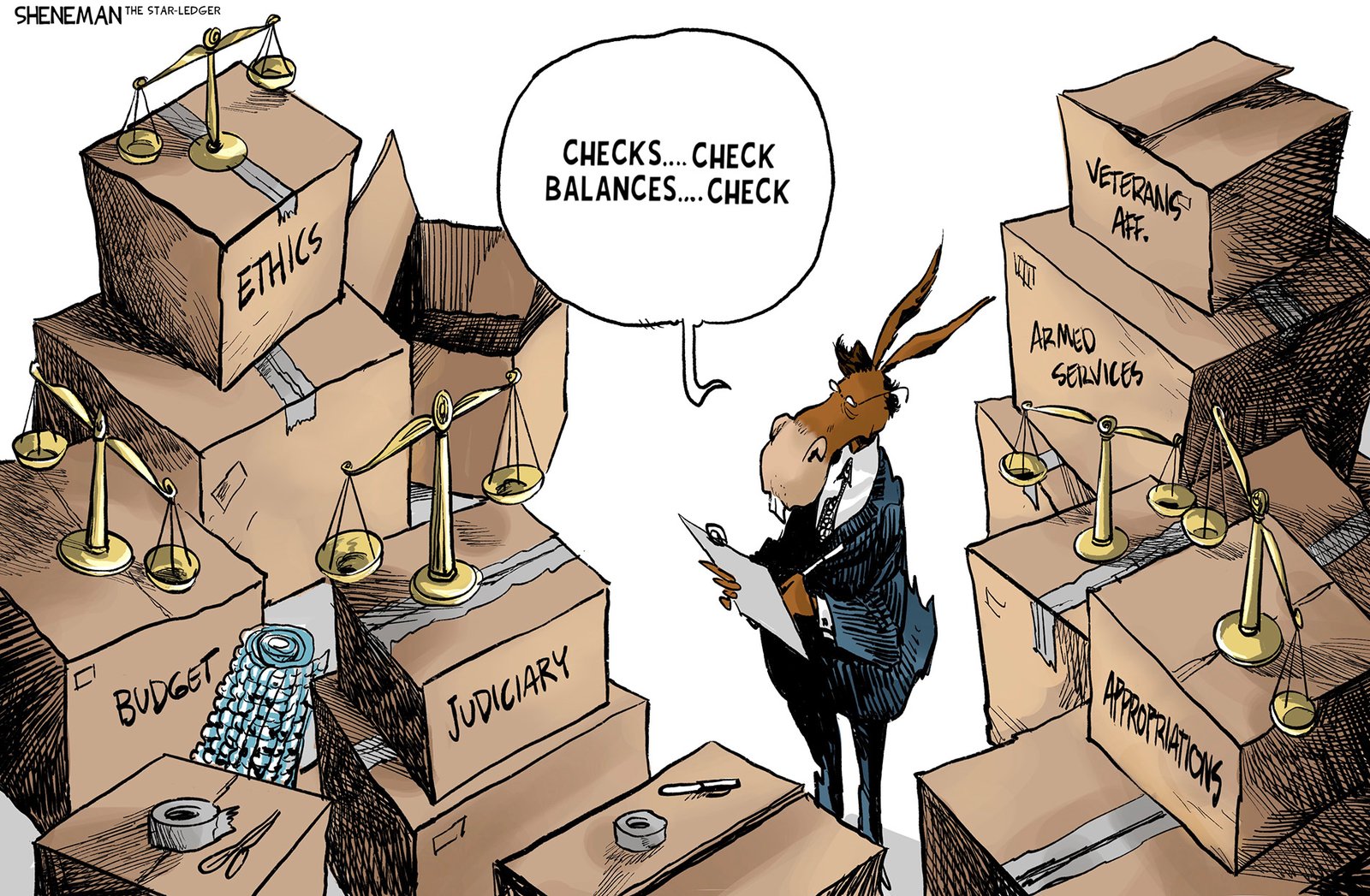
Political cartoons are illustrations that use humor, satire, symbols, and visual messages to comment on political issues, government decisions, public figures, and social problems.
Most political cartoons are published in newspapers, magazines, websites, and social media platforms. Their main purpose is to make people think about political events and understand complicated issues through simple pictures.
For example, a cartoon may show a politician carrying a heavy bag of promises. This picture could represent political promises that have not been fulfilled.
Political cartoons often use exaggeration and humor to make their messages more powerful and memorable.
History of Political Cartoons
Political cartoons have a long history. People have used drawings to express political opinions for hundreds of years.
One of the earliest well-known examples of political cartooning is found in the work of European artists during the 18th century. British artist William Hogarth created satirical illustrations that commented on social and political life.
Another famous figure was James Gillray, who became well known for his political cartoons in the late 18th and early 19th centuries. His drawings often criticized politicians and powerful leaders.
In the 19th and 20th centuries, political cartoons became common in newspapers and magazines. They helped readers understand political debates, wars, elections, and major social changes.
Today, political cartoons are also shared through websites and social media, making them available to people around the world.
Main Features of Political Cartoons
Political cartoons have several important features that make them different from ordinary drawings.
1. Humor and Satire
Humor is one of the most common features of political cartoons. Cartoonists use jokes, irony, and satire to criticize political actions or decisions.
2. Symbols
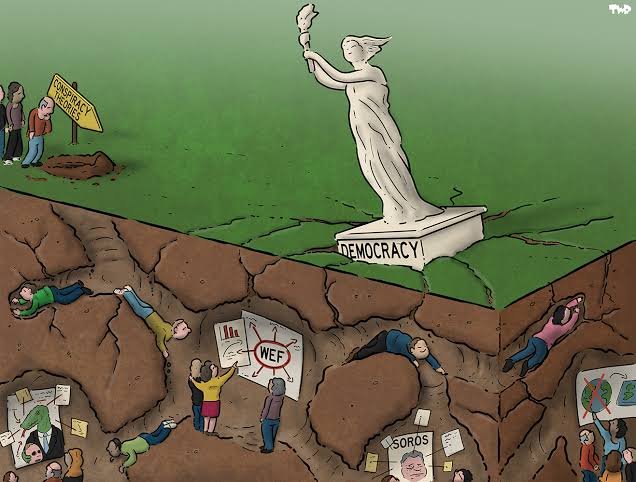
Symbols help explain complicated ideas through simple images. For example, a dove can represent peace, while a broken chain can represent freedom.
3. Exaggeration
Cartoonists often make certain features or situations bigger than normal. This technique helps highlight a person’s behavior or a political problem.
4. Labels and Captions
Some cartoons include short captions, speech bubbles, or labels to make their message easier to understand.
5. Strong Political Messages
Every political cartoon usually has a central message. It may support an idea, criticize a decision, or encourage people to question political situations.
Different Types of Political Cartoons
There are several types of political cartoons. Each type uses a different style to communicate its message.
1. Satirical Political Cartoons
These cartoons use humor and sarcasm to criticize politicians, political parties, government policies, or public behavior.
2. Editorial Cartoons
Editorial cartoons express an opinion about current political events. They are commonly published in newspapers and online news platforms.
3. Historical Political Cartoons
Historical political cartoons show important political events from the past. They can help students understand historical opinions and social conditions.
4. Election Cartoons
Election cartoons focus on political campaigns, candidates, voting, and election promises. They often use humor to discuss political competition.
5. International Political Cartoons
These cartoons focus on international relations, wars, global conflicts, diplomacy, and relationships between different countries.
6. Social and Political Cartoons
These cartoons discuss issues such as poverty, corruption, education, human rights, inequality, and other social problems.
Why Are Political Cartoons Important?
Political cartoons play an important role in society because they help people understand political issues in a simple and interesting way.
Here are some major reasons why they are important.
1. They Raise Public Awareness
Political cartoons bring attention to important political and social issues. They help people notice problems that may affect their daily lives.
2. They Encourage Critical Thinking
A political cartoon often contains a hidden meaning. Readers need to think about the symbols, characters, and situations to understand the message.
3. They Criticize Government Policies
Cartoonists can use illustrations to question government decisions and point out possible problems in public policies.
4. They Support Freedom of Expression
Political cartoons provide artists with a creative way to express opinions and take part in public discussions.
5. They Make Complex Issues Easy to Understand
Some political topics are difficult to explain using long articles. A simple illustration can communicate the main idea quickly.
How to Understand a Political Cartoon
Understanding political cartoons can be easy if you know what to look for. Here are some simple steps that I find useful.
Step 1: Look at the Whole Picture
First, look carefully at the entire cartoon. Notice the people, objects, background, and situation.
Step 2: Identify the Main Characters
Try to identify the people or groups shown in the cartoon. They may represent politicians, governments, citizens, or organizations.
Step 3: Find the Symbols
Look for objects that may have a deeper meaning. For example, a crown may represent power, while a broken bridge may represent a political failure.
Step 4: Read the Caption
If the cartoon contains words, speech bubbles, or labels, read them carefully. They can help explain the cartoonist’s message.
Step 5: Understand the Political Context
Knowing about the political event or issue behind the cartoon can make its meaning much clearer.
Step 6: Find the Main Message
Finally, ask yourself what the cartoonist wants readers to think about. Is the cartoon criticizing something, supporting an idea, or making fun of a political situation?
Famous Political Cartoonists
Many artists have made important contributions to political cartooning throughout history.
- James Gillray: A famous British caricaturist known for his sharp political satire.
- Thomas Nast: An American cartoonist known for criticizing political corruption and influencing American political imagery.
- David Low: A well-known political cartoonist who commented on international politics and major historical events.
- Herblock: An American editorial cartoonist famous for his political criticism.
- Patrick Chappatte: A contemporary editorial cartoonist known for international political and social commentary.
Their work shows how illustrations can influence public discussions and communicate important political ideas.
Political Cartoons in Modern Media
Political cartoons have changed significantly with the growth of digital media.
In the past, people mainly found political cartoons in newspapers and magazines. Today, they are available on websites, blogs, online newspapers, and social media platforms.
Digital platforms allow cartoonists to share their work with a larger audience. Readers can also comment, discuss, and share cartoons with others.
However, modern political cartoons can sometimes spread misinformation or present one-sided opinions. Therefore, readers should understand the context and check important facts before accepting a cartoon’s message.
Advantages of Political Cartoons
Political cartoons offer several benefits.
- They make political discussions more interesting.
- They help explain difficult topics.
- They encourage people to ask questions.
- They provide a creative form of political expression.
- They help students learn about history and politics.
- They can increase public awareness of social problems.
Disadvantages of Political Cartoons
Although political cartoons are useful, they also have some limitations.
- Some cartoons may present biased opinions.
- Their messages can be misunderstood.
- Exaggeration may create an inaccurate impression.
- Some cartoons may offend individuals or groups.
- Readers may misunderstand a cartoon without knowing its background.
For this reason, it is important to consider different viewpoints when interpreting political cartoons.
How to Create a Political Cartoon
Creating a political cartoon does not always require advanced drawing skills. You can start with a simple idea and a clear message.
Follow these basic steps:
- Choose a political or social topic.
- Research the issue to understand its background.
- Decide what message you want to communicate.
- Select suitable characters and symbols.
- Use humor, satire, or exaggeration carefully.
- Add a short caption if needed.
- Make sure the illustration communicates your main idea.
A good political cartoon should be simple, meaningful, and easy for readers to understand.
Political Cartoons for Students and Education
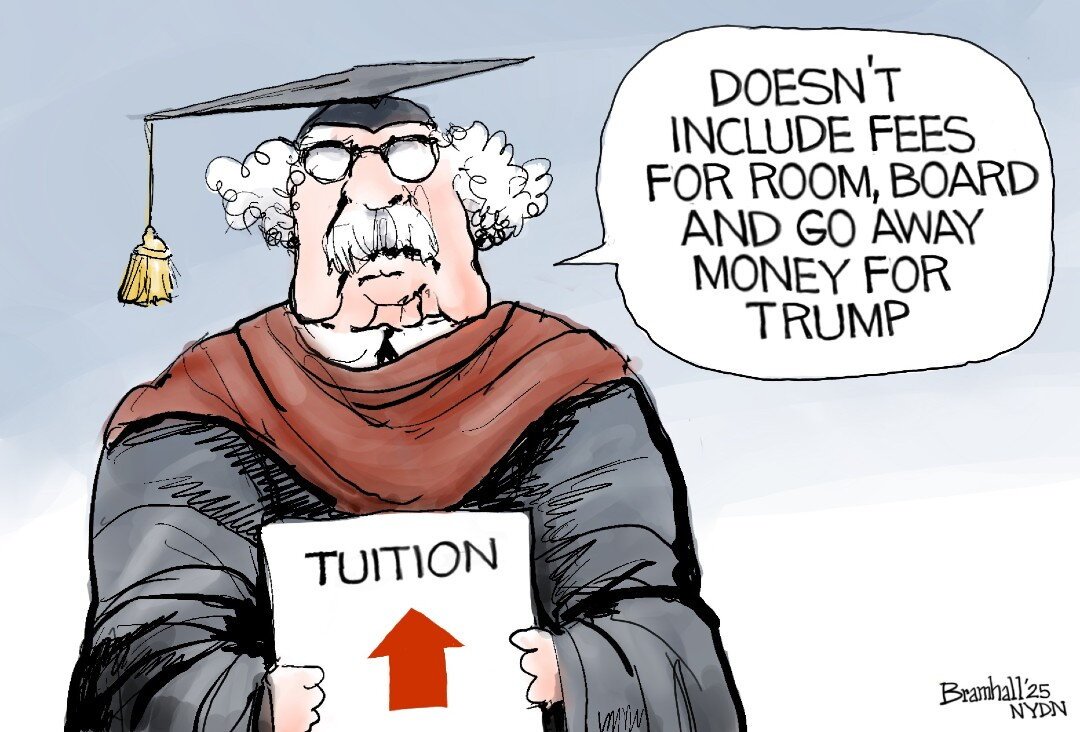
Political cartoons are useful educational tools. Teachers can use them to help students understand history, government, democracy, and social issues.
Students can study cartoons to identify symbols, understand different opinions, and develop critical thinking skills.
They can also learn how historical events were viewed by people at the time. This makes political cartoons valuable sources for studying political and social history.
Conclusion
Political cartoons are an important form of visual communication. They use humor, satire, symbols, and creative illustrations to discuss political events and social problems.
From historical newspaper illustrations to modern digital cartoons, they have helped people express opinions and understand complicated issues.
In my experience, the best way to understand a political cartoon is to look beyond the drawing and think about the message behind it. Whether you are a student, a regular reader, or someone interested in politics, political cartoons can help you see important issues from different perspectives.
Understanding political cartoons can make you a more thoughtful reader and help you develop a better understanding of the world around you.
Frequently Asked Questions (FAQs)
1. What are political cartoons?
Political cartoons are illustrations that use humor, satire, symbols, and exaggeration to express opinions about politics, government, and social issues.
2. What is the main purpose of political cartoons?
The main purpose is to communicate political opinions, criticize decisions, raise awareness, and encourage people to think about important issues.
3. Who created the first political cartoon?
There is no single person universally recognized as the creator of the first political cartoon. Political satire through illustrations developed over many centuries.
4. Who are some famous political cartoonists?
Some famous political cartoonists include James Gillray, Thomas Nast, David Low, Herblock, and Patrick Chappatte.
5. What are the main elements of a political cartoon?
The main elements include symbols, humor, satire, exaggeration, captions, labels, and a central political message.
6. Why do political cartoons use exaggeration?
Exaggeration helps cartoonists highlight certain characteristics, actions, or political problems to make their message more noticeable.
7. Where can I find political cartoons?
You can find political cartoons in newspapers, magazines, editorial websites, online news platforms, and social media.
8. Are political cartoons useful for students?
Yes. They help students understand historical events, political ideas, social issues, and different viewpoints while improving critical thinking skills.
9. What is the difference between a political cartoon and a regular cartoon?
A regular cartoon may focus on entertainment or storytelling, while a political cartoon mainly focuses on political opinions, public issues, and social commentary.
10. Can political cartoons influence public opinion?
Yes. Political cartoons can influence public discussion by presenting political issues in memorable and interesting ways. However, their influence depends on the audience and the context.
11. What is satire in political cartoons?
Satire is a technique that uses humor, irony, or exaggeration to expose problems, criticize behavior, or question political decisions.
12. Are political cartoons always accurate?
No. Political cartoons often express opinions rather than provide complete factual information. Readers should check reliable sources to understand the full context.