Have you ever glanced at the clock and thought, “Ugh, how much longer?” Maybe you’re sitting in a meeting that feels like it’s been going on since the Stone Age. Or perhaps you’re waiting for an important call scheduled at 2:00 PM sharp. That moment of clock-watching is something almost every human on Earth has experienced. It’s oddly universal. And weirdly relatable.
Time, for all its precision, has this funny way of stretching when you’re waiting and shrinking when you’re busy. This article dives into everything around that one simple question we’ve all asked at some point during the day.
The Quiet Thrill of Asking “How Long Until 2:00 PM?”
There’s something almost poetic about it. You check your phone or glance at the wall clock. You do a quick mental calculation. And then you either feel relief or mild despair depending on the answer. It sounds simple, but this small act reveals a lot about how we relate to time.
Think about it. You’re not just asking for numbers. You’re really asking, “How much of my waiting is still left?” That’s a deeply human question. We measure our days in moments, not just minutes. And 2:00 PM, for many people, represents a turning point in the day, a shift from morning hustle into afternoon rhythm.
The phrase how long until 2:00 PM carries a different emotional weight depending on who’s asking. A student waiting for school to end feels it one way. A remote worker waiting for a client call feels it another. A parent waiting for their child’s appointment to finish feels it entirely differently. Same question. Completely different emotional experience.
Read More: How Long Until 3:00 PM?
Some Facts About 2:00 PM
2:00 PM sits right in the middle of the afternoon, and it’s more significant than most people realize. Here are a few things worth knowing about this particular hour.
- In military time, 2:00 PM is written as 14:00. Simple and clean.
- Research in chronobiology suggests that the early-to-mid afternoon, specifically around 2:00 to 3:00 PM, is when most people experience a natural dip in alertness. So if you feel sleepy after lunch, you’re not lazy. You’re biological.
- Many cultures schedule their most important social activities around mid-afternoon. Tea time in Britain, siesta in Spain, and afternoon prayers in several Muslim-majority countries all cluster around this window.
- 2:00 PM is often the default time for many business meetings, school assemblies, and doctor appointments. It’s practically the world’s favorite afternoon slot.
- The sun’s angle at 2:00 PM varies by season and latitude, but in most locations, it produces that warm, golden-afternoon light that photographers love.
Counting Down the Moments
Let’s say it’s currently 11:30 AM. That means you have two and a half hours until 2:00 PM. That’s 150 minutes. Or 9,000 seconds. When you break it down like that, it suddenly feels both long and manageable at the same time.
Here’s a quick reference table to help you understand the time remaining until 2:00 PM from various points in the day.
| Current Time | Hours Until 2:00 PM | Minutes Until 2:00 PM |
| 8:00 AM | 6 hours | 360 minutes |
| 9:00 AM | 5 hours | 300 minutes |
| 10:00 AM | 4 hours | 240 minutes |
| 11:00 AM | 3 hours | 180 minutes |
| 12:00 PM | 2 hours | 120 minutes |
| 1:00 PM | 1 hour | 60 minutes |
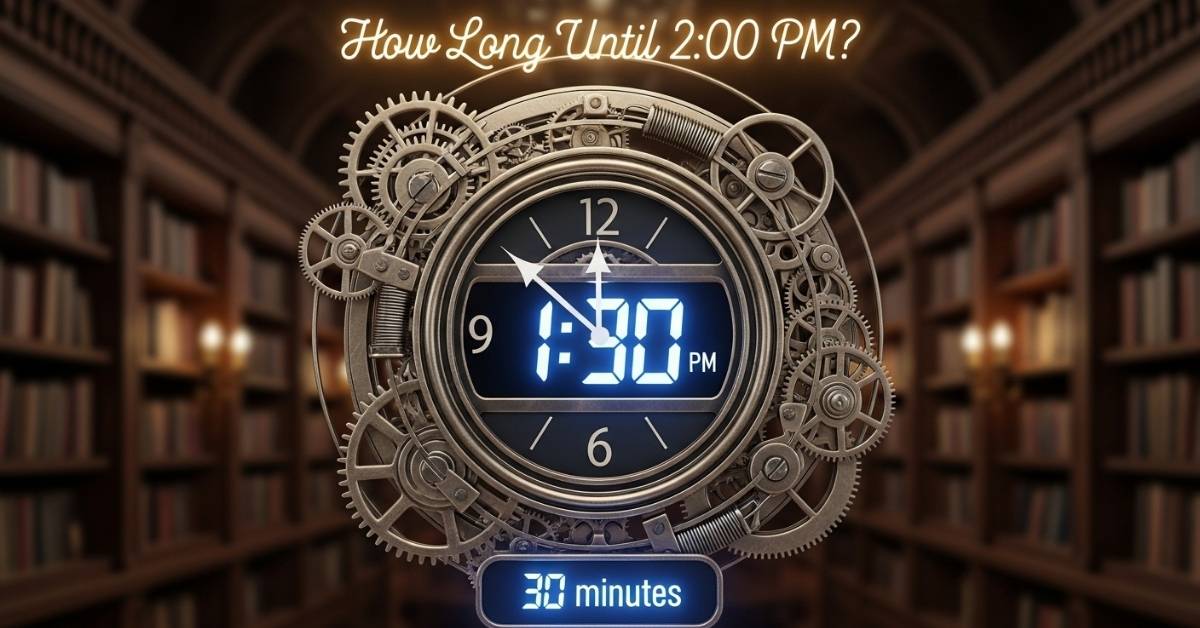
| 1:30 PM | 30 minutes | 30 minutes |
| 1:45 PM | 15 minutes | 15 minutes |
This kind of hourly time breakdown gives you a grounded sense of where you stand. It transforms an abstract feeling into something concrete.
Relative Times: The Secret Spice
Here’s the thing about time. It isn’t fixed in how we feel it. Relative time is the secret spice nobody talks about enough. If you’re deeply focused on a task, an hour vanishes like smoke. But if you’re sitting idle, twenty minutes can feel like a small eternity.
Psychologists call this temporal distortion. Your brain’s perception of time shifts depending on your emotional state, your level of engagement, and even your body temperature. A warm room makes time feel slower. A stimulating conversation makes it feel faster. So if you’re desperately counting down to 2:00 PM, the best trick isn’t to watch the clock. It’s to do the opposite and forget it entirely for a while.
Beyond the Clock: Emotional Timings
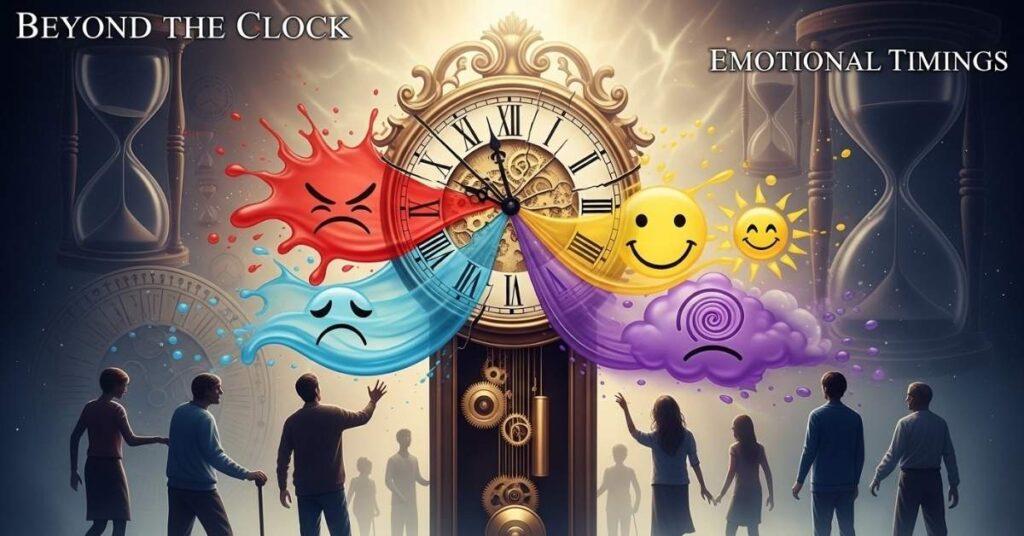
Time is rarely just time. It carries emotional weight. Anticipation, dread, hope, boredom, all of these emotions attach themselves to specific hours of the day. And 2:00 PM has its own emotional signature.
For many people, the hours between noon and 2:00 PM represent a kind of no-man’s land. Lunch is winding down. The morning’s energy has faded. The afternoon hasn’t fully kicked in yet. Waiting for 2:00 PM in this window can feel particularly heavy. It’s like being stuck between two chapters of a book.
But flip that perspective and you’ll see something different. That same stretch of time is also full of potential. It’s quiet. It’s transitional. It can be used for reflection, creative work, or simply catching your breath before the afternoon picks up speed again.
Anecdotes From Around the World
In Japan, punctuality is almost sacred. Arriving at exactly 2:00 PM for a meeting isn’t just polite, it’s expected. People often arrive a few minutes early just to stand outside and wait until the precise moment.
In Brazil, the same meeting might start at 2:20 PM with nobody batting an eye. Time there is more fluid, more social. The countdown to 2:00 PM means something quite different in São Paulo than it does in Tokyo.
In India, particularly in busy cities like Mumbai, 2:00 PM is often the peak of the afternoon work rush after lunch. People are hurrying back to offices, navigating traffic, and trying to beat the heat. The countdown isn’t peaceful, it’s frantic.
These cultural differences remind us that the clock shows the same numbers everywhere. What changes is the meaning we pour into those numbers.
Practical Ways to Track “How Long Until 2:00 PM?”
You don’t need to stare at the clock every five minutes. There are smarter, more effective ways to stay aware of the time without letting it consume your attention.
- Use a simple countdown timer on your phone. Set it for the number of minutes remaining until 2:00 PM and then put your phone face-down. You’ll get a notification when it goes off.
- Try a digital clock countdown app. Many are free and let you set a specific target time rather than a duration.
- Use your computer’s calendar with a 2:00 PM event reminder set 10 to 15 minutes before. This gives you a heads-up without constant clock-checking.
- For a more analog approach, write the time on a sticky note and place it somewhere visible but not directly in your line of sight. It’s there when you need it. Not in your face when you don’t.
- If you’re into productivity methods, try the Pomodoro technique. Work in 25-minute focused bursts. Each completed cycle brings you closer to 2:00 PM without the mental drain of watching the clock.
Creative Countdown Concepts
Not everyone wants to track time the boring way. Some people turn the countdown to 2:00 PM into something almost playful.
One popular idea is the “task per hour” method. You assign one meaningful task to each hour between now and 2:00 PM. When each task is done, you know you’re one hour closer. It’s satisfying in a way that passive clock-watching never is.
Another approach is the day progress bar concept, borrowed from productivity apps and Twitter bots that tweet daily how much of the day has passed. If it’s 12:00 PM, your day is 50% complete assuming a midnight-to-midnight framework. By 2:00 PM, you’re at roughly 58%. These little percentage markers turn the abstract into something oddly motivating.
Some people also use music as a time anchor. A specific playlist that lasts exactly the right duration becomes a countdown in itself. When the last song ends, it’s time.
How People Celebrate Small Temporal Wins
There’s a quiet joy in reaching the time you’ve been waiting for. And people mark these small wins in genuinely charming ways.
Office workers might reward reaching 2:00 PM with a fresh cup of coffee. Students might text a friend the moment school reaches that hour. Some people take a five-minute walk outside just to mark the transition. Others simply exhale, stretch, and smile.
These small rituals matter more than they seem. They create a sense of rhythm in your day. They give time structure and meaning. And they remind you that you’re moving forward, even when it doesn’t feel like it.
How Technology Shapes Our Perception of 2:00 PM
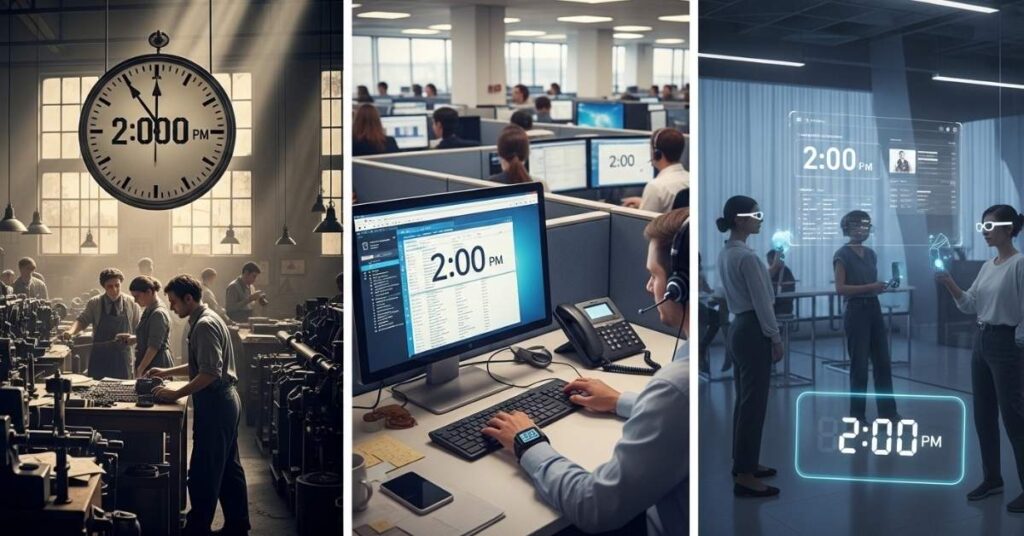
Technology has fundamentally changed how we experience time, and how we think about moments like 2:00 PM. Before smartphones, you’d check a wall clock or wristwatch. The interaction was brief and physical.
Now, time is everywhere. Your phone shows it. Your laptop shows it. Your smartwatch buzzes reminders. Every screen corner has a clock. And real-time countdown tools let you know exactly how many hours, minutes, and seconds until 2:00 PM to the very last digit.
This constant time-awareness has a double edge. On one hand, it makes time tracking more precise and effortless than ever. On the other hand, it makes us hyperaware of every passing minute. And that hyperawareness can turn healthy anticipation into anxious clock-watching.
The smartest approach is to use technology intentionally. Let it tell you the time when you ask. Don’t let it remind you every minute that time is passing.
Making Every Moment Count
Here’s the truth about asking how long until 2:00 PM. The question itself isn’t the problem. Waiting isn’t the problem either. What matters is what you do with the time you have before the clock hits that mark.
The minutes you spend waiting are still yours. You can fill them with something meaningful, something restful, or something creative. Or you can spend them staring at a clock face, willing the hands to move faster. The clock won’t care either way. But you might.
So next time you find yourself wondering how far away is 2:00 PM, try reframing it. Instead of asking how much time is left, ask what you can do with the time you have. That small mental shift turns the countdown from a source of impatience into something closer to an opportunity.
Frequently Asked Questions
How do I quickly calculate how long until 2:00 PM?
Simply subtract your current time from 2:00 PM. For example, if it’s 11:45 AM, you have 2 hours and 15 minutes remaining. Most smartphones also have built-in countdown timer features that make this even easier.
Is there an app that shows a real-time countdown to 2:00 PM?
Yes, several free apps like Time Until, Countdown Timer Plus, and even basic clock apps allow you to set a specific target time and display a live countdown to 2:00 PM or any other hour.
Why does time feel slower when I’m waiting for 2:00 PM?
This is called temporal distortion. When you’re bored or anticipating something, your brain processes time more consciously, which makes each minute feel longer than it actually is.
What is 2:00 PM in military time?
2:00 PM is written as 14:00 in military or 24-hour time format. It’s the same moment, just expressed without the AM or PM distinction.
How can I stop obsessively checking the time until 2:00 PM?
Set one reminder alarm for a few minutes before 2:00 PM and then put your phone away or flip it over. Keeping yourself engaged in a task is the most effective way to stop clock-watching.
Conclusion
Time is one of the few things every human shares equally. We all get the same 24 hours. And yet, how we experience those hours, especially the moments of waiting, anticipating, and counting down, differs wildly from person to person.
The next time you catch yourself asking how long until 2:00 PM, take a breath. Do the quick math. Set a reminder if you need one. And then redirect your attention to something worth your energy. Because the countdown to any moment in your day is less about the destination and more about how you choose to spend the journey.